Category: My Story

Go From Nacho Cheese to “Nooch”o Cheese!

Despite the fact that I was a lifelong lover of dairy products like yogurt (ate it every day!), ice cream, string cheese, and Parmesan cheese, I cut out dairy products a couple of years ago.

It turns out that dairy products were triggering a number of health issues I had for most of my life – from allergies, congestion, sore throats, ear infections, indigestion and acid reflux to skin issues, gas and bloating. I used to get congested frequently, had chronic ear infections (which meant lots of antibiotics), and took Claritin and Zyrtec for seasonal allergies, along with reflux reducing meds like Prilosec (for 10 years!).

For me, cutting out dairy has been one of the keys to begin healing my body, not being sick so often (almost never!)…and getting off of those medications naturally. It’s been pretty amazing!

Check out my *NEW* Pinterest board – Deliciously Dairy Free – for additional articles on the topic as well as dozens of recipes for non-dairy alternatives to foods like cheese, cheesecake, ice cream, milkshakes, dips and dressings. I will be featuring many of them in upcoming blog posts, so stay tuned!

One of the questions people often ask me is, How do you live without cheese? I could never give up cheese.”  The short answer is there isn’t an “exact” match, BUT I’ve found some great options to use as replacements!

One of those foods is nutritional yeast (AKA “nooch”).

Nutritional yeast! I bought this kind at Wegmans, but you can also get it at Whole Foods, MOMs, or online

Nutritional yeast! I bought this kind at Wegmans, but you can also get it at Whole Foods, MOMs, Roots, or online at Amazon, Vitacost or other health food retailers.

A few years ago, I had never even heard of nutritional yeast and certainly wouldn’t have guessed it was something edible. This is kind of like the eggplant naming question…couldn’t they have picked a more appealing name??

Despite its odd name, this stuff has been a staple in our pantry for the past 3 years. You can find it online, or at Wegmans, MOMs, Whole Foods, Roots, or other natural food stores.

Here’s the 411 on why you might want to get yourself some “nooch”!

  • If you don’t eat dairy (or are trying to reduce it!), it’s a great substitute for cheese-based preparations. It has a “cheesy” smell and taste to it.
  • It’s a great source of protein and contains essential amino acids (protein building blocks!).
  • It’s loaded with vitamins, especially B vitamins, which are important in hundreds of your body’s processes, including staying energized and fighting stress.
  • It’s low in sodium.

If you can get past the weird name, it’s worth giving this stuff a shot. 

I will be posting my favorite “nooch” recipes in the coming weeks – check out the list below for a sneak peek of what I will be making and sharing!

This is what "nooch" looks like out of the container

This is what “nooch” looks like out of the container

  • Herby homemade popcorn
  • Salad dressings
  • Kale chips
  • “Cheezy” curly kale salad
  • Dairy-free “cheese” sauce for mac & cheese or nachos
  • Nutty rawmesan cheese (a substitute for my beloved Parm cheese!)

Want to learn more about nooch? Click here or here!

If you’re interested in going dairy-free and what it could look like for you, check out this 28-Day Dairy Free Challenge with Dr. Oz or this information on elimination diets from my favorite blog, Nourishing Meals!

Stay tuned for future recipe posts featuring this quirky but healthy ingredient!

My Energizing Morning Fire Cider Drink {AKA “The Concoction”}

 This has been one of the most read posts on my blog. I’ve summarized most of it in this video, so feel free to check it out and read below for the full “concoction” recipe and links to learn more.

https://www.youtube.com/watch?v=TNXK0_cAph8

Sometimes the scientific evidence for something is lacking but anecdotal evidence is strong. That’s the case with what I’m about to share. You’re going to have a hard time finding someone who is going to be eager to fund research about the health benefits of a natural product like raw apple cider vinegar (ACV).

Why?

No one stands to benefit financially, which is the opposite of what happens in the case of pharmaceutical research when drug companies benefit.

I swear by ACV as a “cold kicker” and immune booster, which is largely anecdotal but is supported by the experiences of my family, friends, peers and others online.

Having said that, I absolutely LOVE what the folks at Authority Nutrition have to say: 

“Lack of proof isn’t proof that something isn’t happening.”

The research on the benefits of apple cider that has been done is promising in the area of helping us control our blood sugar and keep us feeling satiated. Controlling blood sugar isn’t just something that concerns diabetics. When we control our blood sugar, we get off the mood and energy roller coaster and we feel fuller and satisfied longer, which may lead to eating less overall.

Apple cider vinegar helps stabilize our blood sugar by slowing what is known as “gastric emptying,” or the rate at which food leaves our stomach. If it takes longer for food to exit our stomach, we will feel fuller longer!

Not only that, but the main substance in apple cider vinegar is acetic acid, and it has been found to kill bacteria and prevent bacterial growth. This is one of the reasons, in addition to its digestive supportive properties, that ACV is often implicated as an immune booster. Anything that supports digestive health, boosts our overall health and well-being.

Using just any apple cider vinegar won’t provide all of the benefits. In this case, the type and brand really do matter. The ACV that I swear by that you can now find at just about any grocery store, every health food store, and online, is Bragg’s Raw Unfiltered Apple Cider Vinegar with “The Mother.”

Bragg's Raw Apple Cider Vinegar - this is the one to buy!

Bragg’s Raw, Unfiltered Apple Cider Vinegar with “The Mother” – this is the bottle to buy!

Regular apple cider vinegar is clearer and kind of looks like apple juice; it’s been filtered. The good stuff (Bragg’s) contains some cobweb-like stuff at the bottom of the bottle called “The Mother,” which is made up of raw enzymes and bacteria that promote digestive health, as they feed the good bacteria in our gut.

Since about 70-80% of your immune system lies in and around your digestive tract (AKA your “gut”), a healthy gut = a healthy body and clear skin, among other benefits!

I started using this stuff about two years ago when I first came off of the acid reflux medication I had been taking for almost 10 years. Since then, I’ve been using it as the base for an energizing morning drink and whenever I start to feel like I’m coming down with something. I also love using it in salad dressings and to add flavor to a pan of sauteed greens.

My dad – a 67-year-old, 6-time Ironman triathlete – swears by it and calls it “the concoction.”

My Ironman dad swears by apple cider vinegar!

My Ironman dad swears by Bragg’s apple cider vinegar and “the concoction”

The moment he feels a tickle in his throat or a cold coming on, he throws back one of these drinks (recipe below) and says it prevents his symptoms from progressing! My husband and I do the same thing, and it really does work for us. While there is no research in the scientific literature to support those claims, we’re not the only people experiencing them. Bragg’s has a list of customer testimonials on their website.

For more information about the benefits of ACV, check out this link on MindBodyGreen, this article by Dr. Mercola, and this article about the 23 Research-Backed Benefits of ACV.

The “concoction” doesn’t taste amazing, but chances are, you’ve at least had a shot of something that didn’t taste great but drank it anyway, right? Try it for a week or two each morning and see if you notice a difference.

There isn’t an exact science to the recommended amount to drink, but two teaspoons seems to be the magic number. 

*Because the acidity of the lemon juice and vinegar can potentially soften tooth enamel ALWAYS make sure you drink this with a straw AND rinse/swish your mouth with plain water after drinking it and BEFORE brushing your teeth.*

This is not intended to be medical advice. If you have questions or concerns about using apple cider vinegar or are currently taking medication to control blood sugar or insulin levels or stomach ulcers, talk with a naturopathic or functional medicine practitioner, which you can find here and here


Pink Apple Cider Vinegar Drink

Try this drink before meals to stimulate your digestive system!

  • 1-2 cups water (room temperature)
  • 2 teaspoons raw apple cider vinegar (Bragg's brand with "the mother")
  • 2 teaspoons fresh squeezed lemon juice (or Lakewood Organic lemon juice)
  • 1 teaspoon pure cranberry juice (with no sugar added)
  1. Stir all ingredients together in a glass and drink through a glass straw.
  2. Rinse your mouth with clean water afterwards to reduce acidity on your teeth.

Optional add-ins:

  • 1/8 – 1/4 tsp cinnamon
  • 1/8 – 1/4 tsp turmeric
  • ½ tsp raw honey 
  • 1-2 pinches of cayenne pepper

To protect your teeth, drink this with a straw. You can find fun glass straws here.

Always dilute ACV with water and avoid brushing your teeth immediately afterwards, so you’re not scrubbing the acid into your teeth. Rinse your mouth with plain water after drinking this as an additional protective step.

Ingredients for the magical morning detox drink AKA "the concoction"

Ingredients for “the concoction”

Have you used ACV before? Feel free to share how you like to you use it in the comments below!

How Functional Medicine Has Transformed My Health & Life

My goal in writing this post is to introduce you to a new way of thinking about health and approaching health care.

One of the keys to my healing journey has been partnering with healthcare professionals who are trained to understand my body as an integrated system rather than a series of disconnected symptoms.

Today, I feel better than I’ve ever felt, and you can, too.

doctor_of_future

For most of my life, I was diagnosed and treated by multiple physicians, who prescribed me medications of some sort at least once a year – medications that, over the span of several decades, damaged my body and compromised my health.

Because of my painful, chronic ear and sinus infections, I started seeing specialists when I was four years old and was prescribed countless doses of antibiotics over the next decade. By the time I was in high school, I had been through a half dozen ear and sinus surgeries. Scarring caused by all of the infections eventually resulted in a 40% hearing loss in my left ear, which I still have today.

One of the most important things to remember after your hearing loss diagnosis is that there are a number of different treatments and products out there that can make managing the health of your ears a little easier. Thankfully, there are treatments and products available now that can combat most types of hearing loss and provide you with a better quality of life. Speaking to your doctor, be they from Southwest Care or elsewhere, is key when it comes to making the choices to help you in your treatment.

For example, one of my friends who lives with hearing loss uses a hearing amplifier and has found that this small device has improved her ability to hear. As with any health-related matter, it is so vital to find unique ways to combat your ailments.

At the age of 19, I started seeing a gastroenterologist for digestive health issues and was put on the acid-reducing medication Prilosec. I ended up staying on a variation of that medicine to control my reflux until I was 28 years old.

The odd thing about all of this? I thought it was normal.

I had bought in to the idea that I needed to see a specialist for every symptom and take “a pill for every ill.” No one was asking what was at the root of my health issues. I was frustrated.

What if it didn’t have to be that way?

What if I could figure out the underlying causes of my discomfort and pain? Was it possible that my ear and sinus issues were related to my digestive problems? Could what I was or wasn’t eating be at the root of why I was sick?

Until recently, I didn’t know that 70-80% of the immune system resides in and along the wall of the digestive tract. Since everything we eat goes through our digestive system and, therefore, interacts with our immune system, how can what we eat not affect our health?

Like so many people, I figured all of the specialists I was seeing would have made connections between what I was eating and why I was sick and in less than optimal health.

Unfortunately, traditional medical school training is focused on diagnosing and treating illness with relatively little education about the significant role of proper nutrition.

In fact, the 2010 Nutrition in Medicine project, which surveyed all 127 accredited medical schools in the U.S., revealed that doctors receive about 20 contact hours of nutrition education in medical school, down from 22.3 hours in 2004. Only about 25% of schools required a dedicated nutrition course.

The bottom line? Nutrition education in medical schools is inadequate, especially given all that is known about the role of food as medicine.

I’m optimistic that this will change in the coming years as prestigious institutions like the University of Maryland, Harvard, Duke, and Yale serve as leaders in preventive, integrative, and functional medicine and nutrition. While less familiar to the general public but widely respected in natural healing circles, I hope students hailing from schools like Bastyr University will play a greater role in our future healthcare system.

In addition to the changes I’ve made on my own to heal my body and restore my health through nutrition, I’ve learned a tremendous amount from reading books and hearing lectures by dozens of renowned physicians and nutrition experts, including Drs. Mark Hyman, Joel Fuhrman, John LaPuma, David Katz, and Alejandro Junger along with nutritionists, Tom Malterre, Kasia Kines and Kimberly Snyder.

A new wave of medicine that looks at the system, not just the symptom, is coming. Health care professionals who know that a focus on diagnosis and treatment isn’t enough if we want to have vibrant health and be well are pursuing training in functional and integrative medicine.

Are you curious about functional medicine from the perspective of a medical doctor? Do you want to know what a qualified medical practitioner thinks of holistic medical care? A doctor who has used this approach to heal dozens of his own health issues and thousands of people who were sick and tired of feeling sick and tired? This video could change the way you look at health forever:

I’ve been fortunate to partner with several health care practitioners who are trained to understand and have experience healing patients by tapping into the diet-disease connections. They are helping me heal my body and undo years of damage.

For the first time in my life, I’ve gone a full year without taking a prescription medication or even so much as an Advil.

For the first time in my life, I’m able to understand the underlying causes of why I was sick for so many years.

For the first time in my life I’m hopeful, no longer in the dark about my health, and inspired to continue my healing journey and help others do the same.

We can be well and stay well. Health and vitality can become the new normal.

Want to find a functional medicine practitioner where you live? Check out this link!

How to Eat Without Guilt and Enjoy Your Food

Every day, we make choices.

And so many of us struggle with our choices around eating.

It’s a challenge to consistently eat a nourishing diet…or to even keep track of what that means amidst the newest diet or health food fads that flood the media.

It’s hard to know exactly what and how we “should” eat.

People often ask me for advice related to these key questions. Here’s what I’ve learned and found to be most helpful and transformative along my journey of health and healing.

It isn’t about eating  “good” foods or “bad” foods.

Nor is it about “cheat” days or “cheat” meals.

And no, we’re not talking about “being on a diet.”

We glorify some foods and villainize others for the sake of “being good” or to have an excuse for those times when we want to “cheat.”

What if we started thinking and talking about food differently?

What if, instead of thinking of food in terms of good/bad, healthy/unhealthy, following the rules/cheating, we began to think of it as real/fake? Living/dead? Nutrient-rich/nutrient-depleting? Anti-inflammatory/inflammatory? Detoxifying/toxic? Healing/harmful?

At this point in my journey, this perspective shift means a commitment to being a “qualitarian” – fueling my body with the freshest, most nourishing, nutrient-rich, delicious food available to me, so that I have the energy and health to do the things I want to do and am called to do with my life. Having this kind of vitality also means being able to spend lots of quality time with my friends and family.

When I eat, I don’t think of the food as “good” or “bad” or ask myself if I’m “cheating.” Those words stir up feelings of guilt and shame, which don’t make us feel particularly good and aren’t the best motivators for lasting changes.

Our body actually processes food differently when we eat it in a state of guilt and shame vs. one of calmness and acceptance. If we’re going to eat it, we might as well enjoy it.

I know that Krause’s dark chocolate caramels aren’t exactly loaded with health-promoting nutrients, but they taste delicious, and sometimes I want one. When I do, I eat it and enjoy it. If I eat it, I own it. I wasn’t “bad.” I didn’t “cheat.”

I simply made a choice.

Eating without guilt is very freeing. It actually means we can enjoy food more.

And food was meant to be enjoyed.

Chocolate-covered strawberry in the middle!

Bill and I enjoying our delicious chocolate-covered strawberry!

Instead of “being bad” or “cheating,” what if we started asking ourselves questions like these before making food choices?

  1. Is it real? (Hint: If it has 35 ingredients and a third-grader couldn’t pronounce most of them, then it’s not a real, whole food. Michael Pollan has written an awesome book that distinguishes between “real” food vs. what he calls “edible food-like substances.” Following the guidelines in his book provides a helpful starting point for determining what’s real and what’s not.)
  2. Is/was it living? (Hint: The life in food gives us life. If we’re constantly eating highly processed foods created in factories and industrial plants and not including adequate amounts of naturally growing, living, plant-based foods in our diet, then we’re very likely to be missing out on how alive we can feel when we are well nourished.)
  3. Is it nutrient-rich? (Hint: High quality, fresh, organic (if possible) foods are full of vitamins, minerals, antioxidants, and phytochemicals that help our bodies function at their best, resist and fight disease, heal and stay energized and vibrant. Not only are highly processed and refined foods nutrient-deficient, but they also pull nutrients from our bodies as we process them; they deal a double blow.)
  4. Is it anti-inflammatory? (Hint: Inflammation is one of the main reasons we are getting and staying sick and carrying excess weight that won’t seem to budge. Inflamed tissues hold on to weight and are the breeding ground for disease and sickness. When we eat anti-inflammatory foods, we can reduce inflammation and impact weight and disease risk).
  5. Is it detoxifying? (Hint: Most of the food and drinks in our modern diet are literally toxic to our bodies, causing us to get sick, stay sick, and hold on to weight. Low quality, highly processed, refined, and sugary foods loaded with chemicals like pesticides, hormones, preservatives and antibiotics keep our bodies in a toxic state. Eating foods that naturally detoxify the body helps to keep us well.)
  6. Is it healing? (Hint: If the answer to the previous 5 questions is “no,” then there’s a good chance that  what we’re eating/drinking may be harmful to our body and our health. This can vary from person to person. For many people, myself included, dairy products are harmful – their consumption is tied to weight gain, inflammation, ear/nose/throat infections and illnesses, bronchitis, congestion, allergies, skin issues, etc. For others, gluten (the sticky protein found in wheat, barley, rye, and a few other grains) is inflammatory and makes them very ill or keeps them from feeling their best. Curious if you might have a food allergy (we’re not just talking peanuts!)? Check out this post.)

If we start to shift the ways we think and talk about food, perhaps we can start making some lasting changes around what we’re eating without “dieting” and without guilt. 

When foods are no longer “bad” foods or “cheat” foods, it diminishes their allure, and we don’t want to eat them as much. We’re no longer rebelling against ourselves but are supporting ourselves to be well.

Imagine the health, energy, and physical well-being we could have if we focused on eating real, living, nutrient-rich, anti-inflammatory, detoxifying, healing foods!

The next time you eat, regardless of what it is, remind yourself, “it’s a choice, not a cheat“…and enjoy it!

How I Lost 20+ Pounds, Got Back to My High School Weight & Kept It Off

Four years ago, I was almost 25 pounds heavier than I am now.

IMG_2767I had gained weight post-college, as I was juggling two jobs, in the midst of my first dating relationship, and trying to figure out “who I was” outside of school.

Ask anyone, and they would have said I was “healthy.” To the outside observer, based on everything most of us have been brought up to believe about eating right, I was.

Each morning, I had a big bowl of oatmeal with a generous handful of raisins and a hefty spoonful of peanut butter. A few hours later, I had a snack of some sort, like a meal replacement or granola bar, a handful of almonds or Triscuits and cheese.

For lunch, I ended up eating pretty much the same thing every day – a turkey breast sandwich on a whole wheat sandwich thin with a small piece of provolone cheese, a smear of pesto, and a piece of lettuce. If I was feeling adventurous, I would throw on some sundried tomatoes. I usually finished off lunch with a creamy Greek yogurt and some fruit.

Dinner had the most variety but soon became routine – whole wheat pasta with veggies topped off with more than just a dusting of parmesan cheese, baked chicken with steamed veggies and brown rice, and occasionally breakfast for dinner, or a bowl of cereal if I wasn’t feeling particularly motivated.

Based on everything I had ever learned, I was doing the right things – eating whole wheat products, getting in enough dairy so I’d meet my body’s calcium needs, and avoiding fast food and fried food.

I thought I was eating healthy.

But why was I overweight?

I had been the same weight for about eight years and didn’t think it was possible for my body to weigh less. I had just decided that I was “that size,” that it was because of “my bones,” and that I couldn’t change.

Though I was intentionally moving my body on a daily basis, the key to losing weight wasn’t about spending hours upon hours at the gym. I liked Zumba, running, walking and some group exercise classes like BodyPump, so it was easier for me to stick with them instead of doing exercises I “should” do but didn’t like (i.e., spinning).

Although important and necessary, exercise was only about 20% of the answer. No matter how hard I tried, I couldn’t out-exercise my diet.

In May 2010, I began to do things differently and noticed changes for the first time in a long time.

I had heard a few success stories from people using Houston weight loss services and decided I would try something similar. I liked the idea of having to be accountable for what I ate and keeping track of my calorie intake. I used an online database to track everything I was eating and drinking for about 8 weeks. Using this system, I found out that my diet was deficient in a lot of nutrients and that I was eating more food than my body needed to reach my goal weight. I never thought of myself as overeating before, but I was. A friend told me that since I was so interested in eating more nutrient-rich foods, I should read articles at Fitness Gains because they provide insights into which foods could help to get the right nutrient balance back into my diet. This way I could eat less and still get the nutrients my body needs.

What and how much I was eating were the key factors driving my weight.

IMG_2794

Little by little, I made a series of changes, and I’ve never looked back. I have kept the weight off for almost 4 years, even in the midst of planning our wedding, finishing graduate school, and buying our first house.

This truly has been a “marathon” and not a sprint; I didn’t make these changes overnight. I continue to learn more each day and tweak things as I go. I have learned to listen to my body.

Here are the dietary changes I have made to get back to (and maintain) my high school weight:

1. I upgraded my diet by eating A LOT more vegetables. This was the single most important thing I did. Vegetables have more nutrients per calorie than any other food and are high in fiber and low in calories. They fill us up and nourish us. I started making vegetables the base of my lunch, choosing a salad over my traditional sandwich, and treating veggies more as an entrée than a side dish at dinner (roasted, sautéed, and in salads and soups). I ate more vegetables at every meal.

IMG_2676

2. I ate less food. For most of us, our body tells us it wants more food because the processed foods we are eating are lacking in nutrients…so we keep eating because our body thinks it will eventually get the nutrients it needs. As crazy as it sounds, we are overfed yet undernourished! Once I started eating more unprocessed, unpackaged, whole foods like fruits, vegetables, nuts, seeds, whole grains and even beans (for the first time in my life!), I ended up eating less because I was finally giving my body the nutrients it craved.

3. I started “crowding out” processed food. Prior to losing weight, I was eating a lot of “healthy” processed food, like whole wheat bread, string cheese, Vitatops, granola bars, and Wheat Thins. Once I started to realize how few nutrients (and how many non-food ingredients and sugar) were in those foods, I started eating less of them and replacing them with whole foods (see #2 above).

4. I cut out dairy. I know, I know. Milk, cheese and ice cream are the holy trinity of deliciousness, and I am evil for even insinuating we can/should go without them. I grew up loving dairy products. I had mint chocolate chip ice cream cake every year for my birthday, yogurt every day for lunch, and some form of cheese at dinner. In the winter of 2012, I cut out dairy for a couple of weeks and noticed something incredible.

Dairy products (cheese, milk, ice cream, etc.) trigger inflammation, and when we are inflamed, our body holds on to weight. Reduce inflammation, and your body will release excess weight. If you’re interested in learning more about inflammation you can learn more here. It’s amazing. As a bonus, I felt less bloated and gassy, my sinus congestion stopped, and I didn’t come down with my typical seasonal bout of bronchitis. Over time, my skin started to clear up and I rarely got pimples! Curious how you might feel without dairy? Cut it out for a few weeks and see what happens!

IMG_08415. I nixed whole wheat products and am gluten-free most of the time. Gluten sensitivity and intolerance are linked to everything from frequent bloating and gas, acid reflux, and irritable bowel syndrome to joint pain, brain fog, fatigue, depression, anxiety, eczema, and acne. Gluten (the sticky protein found in wheat, barley and rye) can also trigger inflammation, and inflammation makes us hold on to weight. I don’t have celiac disease, but my body is sensitive to gluten. I started eating more brown rice, quinoa, millet and buckwheat – all non-glutinous grains. To learn more about how gluten might be affecting you and your weight, check out this brief quiz or video and article. Talk to your doctor to get tested for a gluten allergy or sensitivity if you suspect you might have one.

Amidst all of those changes over the past four years, the conclusion I’ve reached is this – the way I am eating is sustainable.

I’m not on a “diet.” I’m not counting calories. I don’t feel deprived.

I am eating real food, not too much, mostly plants, and my body is responding by maintaining a healthy weight.

What has worked for you to lose or maintain weight? What is your greatest challenge? Feel free to share!

How I Lost 20+ Pounds, Got Back to My High School Weight & Kept It Off

Four years ago, I was almost 25 pounds heavier than I am now.

IMG_2767I had gained weight post-college, as I was juggling two jobs, in the midst of my first dating relationship, and trying to figure out “who I was” outside of school.

Ask anyone, and they would have said I was “healthy.” To the outside observer, based on everything most of us have been brought up to believe about eating right, I was.

Each morning, I had a big bowl of oatmeal with a generous handful of raisins and a hefty spoonful of peanut butter. A few hours later, I had a snack of some sort, like a meal replacement or granola bar, a handful of almonds or Triscuits and cheese.

For lunch, I ended up eating pretty much the same thing every day – a turkey breast sandwich on a whole wheat sandwich thin with a small piece of provolone cheese, a smear of pesto, and a piece of lettuce. If I was feeling adventurous, I would throw on some sundried tomatoes. I usually finished off lunch with a creamy Greek yogurt and some fruit.

Dinner had the most variety but soon became routine – whole wheat pasta with veggies topped off with more than just a dusting of parmesan cheese, baked chicken with steamed veggies and brown rice, and occasionally breakfast for dinner, or a bowl of cereal if I wasn’t feeling particularly motivated.

Based on everything I had ever learned, I was doing the right things – eating whole wheat products, getting in enough dairy so I’d meet my body’s calcium needs, and avoiding fast food and fried food.

I thought I was eating healthy.

But why was I overweight?

I had been the same weight for about eight years and didn’t think it was possible for my body to weigh less. I had just decided that I was “that size,” that it was because of “my bones,” and that I couldn’t change. That’s until I started doing some research and came across sites similar to https://www.hardballwarriors.com/. Actually doing research told me I need to do more than just move my body. Exercise is all good and well, but you need the diet to match.

Though I was intentionally moving my body on a daily basis, the key to losing weight wasn’t about spending hours upon hours at the gym. I liked Zumba, running, walking and some group exercise classes like BodyPump, so it was easier for me to stick with them instead of doing exercises I “should” do but didn’t like (i.e., spinning).

Although important and necessary, exercise was only about 20% of the answer. No matter how hard I tried, I couldn’t out-exercise my diet.

In May 2010, I began to do things differently and noticed changes for the first time in a long time.

I used an online database to track everything I was eating and drinking for about 8 weeks. Using this system, I found out that my diet was deficient in a lot of nutrients and that I was eating more food than my body needed to reach my goal weight. I never thought of myself as overeating before, but I was.

What and how much I was eating were the key factors driving my weight.

IMG_2794

Little by little, I made a series of changes, and I’ve never looked back. I have kept the weight off for almost 4 years, even in the midst of planning our wedding, finishing graduate school, and buying our first house.

This truly has been a “marathon” and not a sprint; I didn’t make these changes overnight. I continue to learn more each day and tweak things as I go. I have learned to listen to my body.

Here are some of the things I learned along the way as well as some dietary changes I have made to get back to (and maintain) my high school weight:

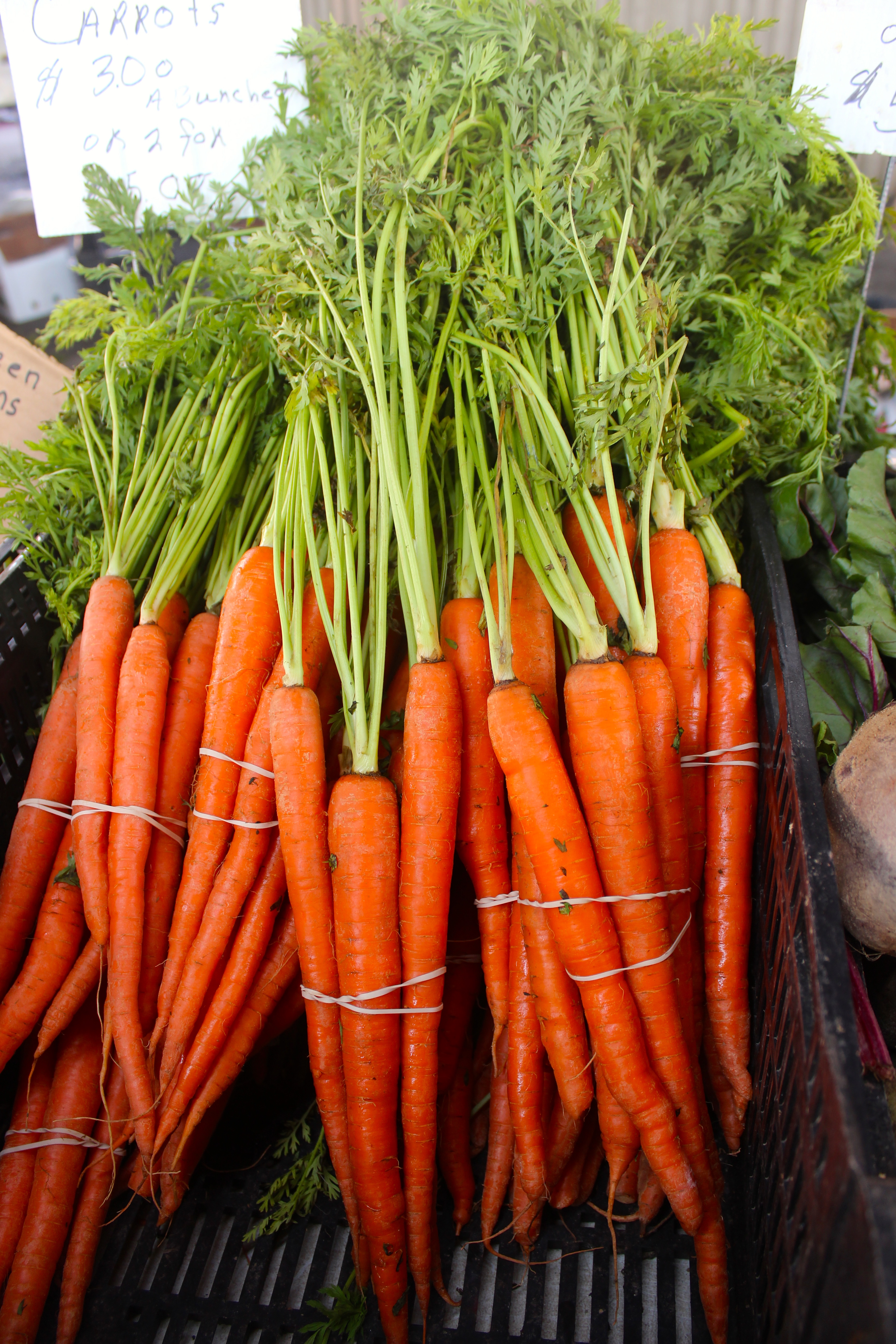
1. I upgraded my diet by eating A LOT more vegetables. This was the single most important thing I did. Vegetables have more nutrients per calorie than any other food and are high in fiber and low in calories. They fill us up and nourish us. I started making vegetables the base of my lunch, choosing a salad over my traditional sandwich, and treating veggies more as an entrée than a side dish at dinner (roasted, sautéed, and in salads and soups). I ate more vegetables at every meal.
IMG_2676

2. I ate less food. For most of us, our body tells us it wants more food because the processed foods we are eating are lacking in nutrients…so we keep eating because our body thinks it will eventually get the nutrients it needs. As crazy as it sounds, we are overfed yet undernourished! Once I started eating more unprocessed, unpackaged, whole foods like fruits, vegetables, nuts, seeds, whole grains and even beans (for the first time in my life!), I ended up eating less because I was finally giving my body the nutrients it craved.

3. I started “crowding out” processed food. Prior to losing weight, I was eating a lot of “healthy” processed food, like whole wheat bread, string cheese, Vitatops, granola bars, and Wheat Thins. Once I started to realize how few nutrients (and how many non-food ingredients and sugar) were in those foods, I started eating less of them and replacing them with whole foods (see #2 above).

4. I cut out dairy. I know, I know. Milk, cheese and ice cream are the holy trinity of deliciousness, and I am evil for even insinuating we can/should go without them. I grew up loving dairy products. I had mint chocolate chip ice cream cake every year for my birthday, yogurt every day for lunch, and some form of cheese at dinner. In the winter of 2012, I cut out dairy for a couple of weeks and noticed something incredible.

Dairy products (cheese, milk, ice cream, etc.) trigger inflammation, and when we are inflamed, our body holds on to weight. Reduce inflammation, and your body will release excess weight. It’s amazing. As a bonus, I felt less bloated and gassy, my sinus congestion stopped, and I didn’t come down with my typical seasonal bout of bronchitis. Over time, my skin started to clear up and I rarely got pimples! Curious how you might feel without dairy? Cut it out for a few weeks and see what happens!

IMG_08415. I nixed whole wheat products and am gluten-free most of the time. Gluten sensitivity and intolerance are linked to everything from frequent bloating and gas, acid reflux, and irritable bowel syndrome to joint pain, brain fog, fatigue, depression, anxiety, eczema, acne, and constipation. It was the latter that I struggled with most frequently, although I had pretty much all of the symptoms fairy commonly. Today, I know about a lot more constipation treatments, such as foods that can help aid digestion and that you could feel better with butt stuff, but back then I knew nothing and resorted to medication for it which was probably doing me no good. Gluten (the sticky protein found in wheat, barley and rye) can also trigger inflammation, and inflammation makes us hold on to weight. I don’t have celiac disease, but my body is sensitive to gluten. I started eating more brown rice, quinoa, millet and buckwheat – all non-glutinous grains. To learn more about how gluten might be affecting you and your weight, check out this brief quiz or video and article. Talk to your doctor to get tested for a gluten allergy or sensitivity if you suspect you might have one.

Amidst all of those changes over the past four years, the conclusion I’ve reached is this – the way I am eating is sustainable.

I’m not on a “diet.” I’m not counting calories. I don’t feel deprived.

I am eating real food, not too much, mostly plants, and my body is responding by maintaining a healthy weight.

What has worked for you to lose or maintain weight? What is your greatest challenge? Feel free to share!

What's Your Eggplant? Confessions of a Picky Eater

I haven’t always eaten this way.

Kale, millethemp seeds, quinoa, tahini, coconut oil, kombu, adzuki beans, cacao. 

What do all of those foods have in common? Well, I had no idea what they were for most of my life and would have refused to try any of them 10 years ago, but they have become staples in my diet.

I grew up enjoying the typical foods that many of us loved as kids – Kraft Mac & Cheese, Beefaroni, Spaghettios, Rice-a-Roni, Doritos (Cool Ranch, anyone?), Cheetos, Little Debbie cakes, Gushers, Fruit Roll-ups, Funyuns, Bugles, chicken fingers (BK > McDonald’s), hot dogs, yogurt, and, who can forget, pizza?

book it

Pizza Hut had it down – read lots of books, get free pizza. Well, I read a lot of books as a kid…so, I ate lots of pan pizza. Mmmm. The Book-It Program was my friend.

As a general rule, I avoided unfamiliar foods and was very picky.

To put it simply, I didn’t eat salads, soups, sandwiches (ok, except grilled cheese), seafood, sauces, or “weird” vegetables like eggplant, cabbage, or asparagus. Which left me with…well, the list above….and buttered egg noodles (with parmesan cheese, of course!). I did like certain cooked veggies, and I’ve always loved fruit…and plain chicken. Other than that, I didn’t exactly have a ton of variety in my diet.

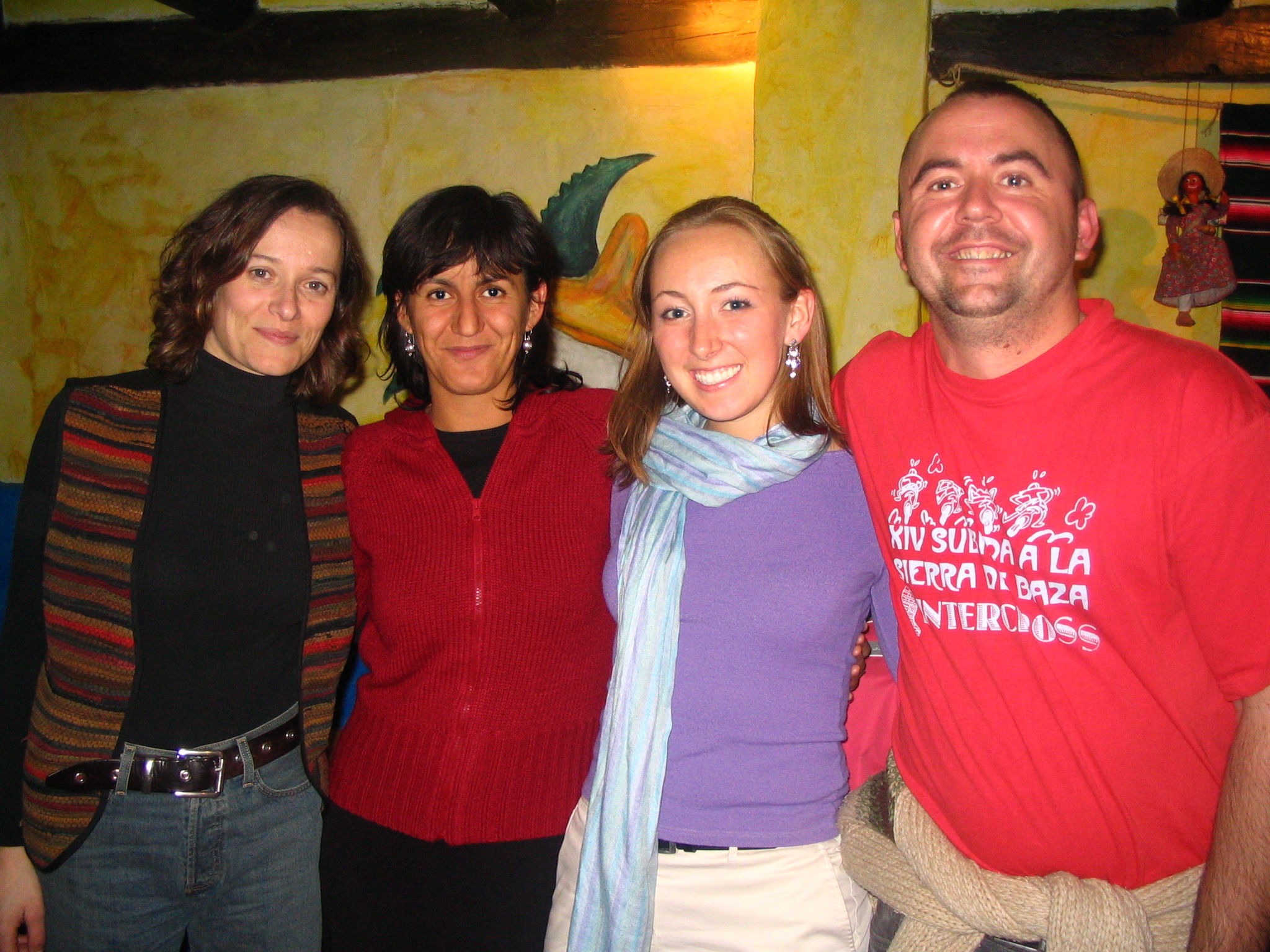
I hit a turning point in 2004, my junior year of college, when I decided to study abroad in Granada, Spain.

What gave me the most anxiety about going abroad?

Not the travel, being away from home for 4 months, or fitting in with my host family…it was the food. I was terrified of trying new food.

IMG_0674

I read a book called Spain Is Different before leaving, and one of the things the author said was it was rude to reject food, even if you didn’t think you would like it. You HAD to at least try it and then say, “It’s not my favorite.”

Oh no. Bad news for the picky eater.

One night at dinner, my host mom, Matilde, put a dish in front of me. It looked kind of like thicker fried potato or squash slices, but I knew it wasn’t. I asked her what it was, and she told me, but speaking very little Spanish, I had no idea what she said. 

I hesitantly but bravely tried it…I had never tasted the flavors before, but I LIKED it. I was excited about my revelation but still curious about what I had just consumed.

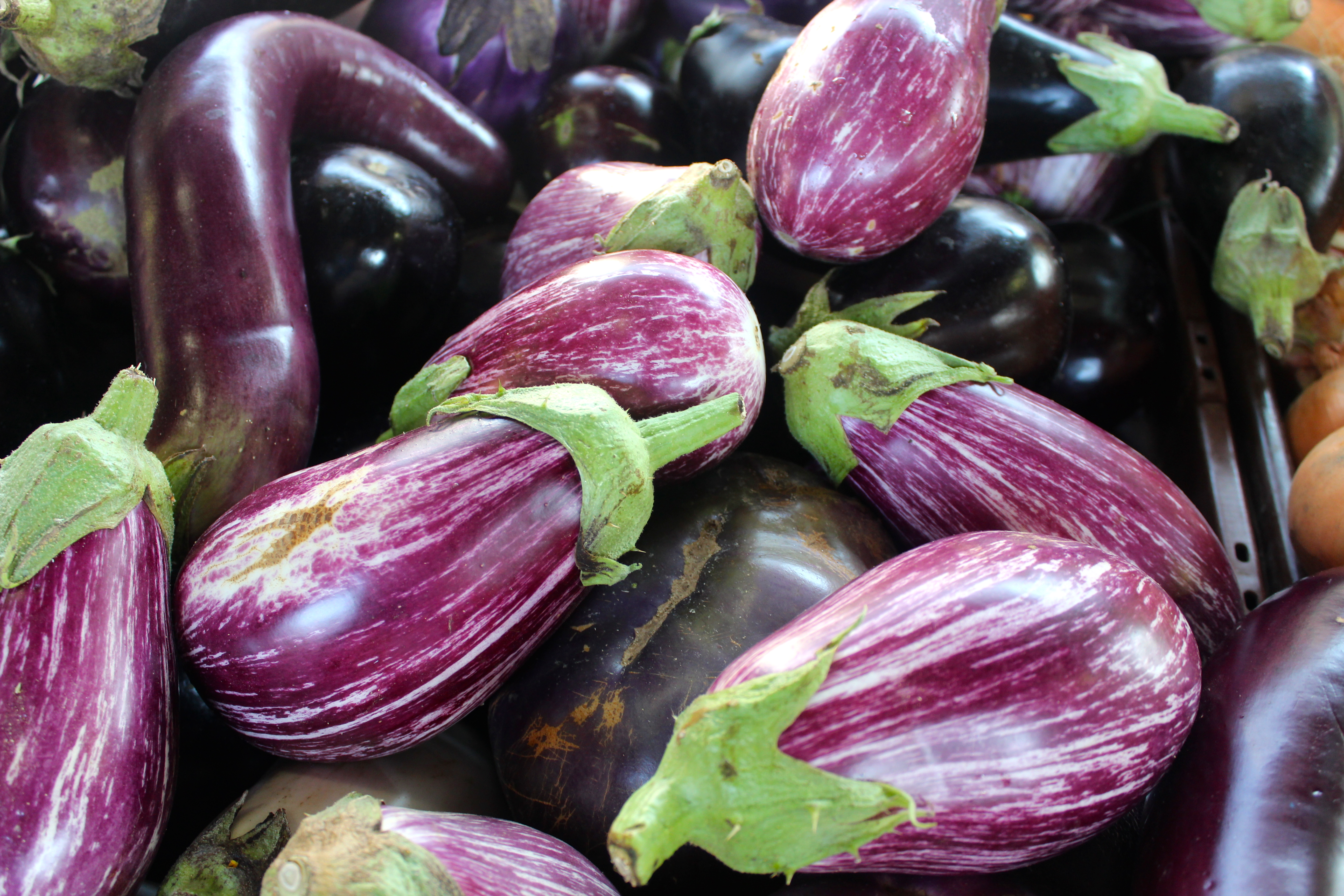
After dinner, I went to my room and consulted my Spanish dictionary to find out what I had just eaten…I looked up “berenjena.” Shock overcame me as I read the definition…eggplant. Eggplant?! But I HATED eggplant…didn’t I?

That was a turning point in my picky eating tendency.

As I opened myself up to trying new foods, I realized I had written off so many that were actually delicious. While in Spain, I was introduced to lentils, fish, calamari, and other tasty food and am now a huge fan.

I’m really into lentils right now and just made this rich, hearty and yummy lentil chili last week (SO good!). Lentils are an awesome protein, fiber, vitamin and mineral source. They fill me up more than almost any other food…AND they are super cheap!

The transition to an unprocessed, unrefined whole food way of eating takes time and happens gradually.  But we have to be willing to at least TRY new things – to open ourselves up to the possibility that we might actually like them.

IMG_2659

If I had continued believing guacamole had mayonnaise in it (seriously, I believed this until about 3 years ago…until I saw someone actually make it), then I never would have grown to LOVE it (and avocados!) as much as I do today. I had to be willing to let go of my longstanding beliefs.

So, what’s your eggplant?

The next time you go to the grocery store, commit to picking out ONE healthy food (maybe a fruit, veggie, bean, nut, seed or grain?) that you have never tried before or have been hesitant to try.

A friend just messaged me the other day and said, “I bought some kale today. What do I do with it? Lol.” Well, my friend, you’ve come to the right place! 

Feel free to post below in the comment section and let me know if you try something new. I would love to hear from you!

What’s Your Eggplant? Confessions of a Picky Eater

I haven’t always eaten this way.

Kale, millethemp seeds, quinoa, tahini, coconut oil, kombu, adzuki beans, cacao. 

What do all of those foods have in common? Well, I had no idea what they were for most of my life and would have refused to try any of them 10 years ago, but they have become staples in my diet.

I grew up enjoying the typical foods that many of us loved as kids – Kraft Mac & Cheese, Beefaroni, Spaghettios, Rice-a-Roni, Doritos (Cool Ranch, anyone?), Cheetos, Little Debbie cakes, Gushers, Fruit Roll-ups, Funyuns, Bugles, chicken fingers (BK > McDonald’s), hot dogs, yogurt, and, who can forget, pizza?

book it

Pizza Hut had it down – read lots of books, get free pizza. Well, I read a lot of books as a kid…so, I ate lots of pan pizza. Mmmm. The Book-It Program was my friend.

As a general rule, I avoided unfamiliar foods and was very picky.

To put it simply, I didn’t eat salads, soups, sandwiches (ok, except grilled cheese), seafood, sauces, or “weird” vegetables like eggplant, cabbage, or asparagus. Which left me with…well, the list above….and buttered egg noodles (with parmesan cheese, of course!). I did like certain cooked veggies, and I’ve always loved fruit…and plain chicken. Other than that, I didn’t exactly have a ton of variety in my diet.

I hit a turning point in 2004, my junior year of college, when I decided to study abroad in Granada, Spain.

What gave me the most anxiety about going abroad?

Not the travel, being away from home for 4 months, or fitting in with my host family…it was the food. I was terrified of trying new food.

IMG_0674

I read a book called Spain Is Different before leaving, and one of the things the author said was it was rude to reject food, even if you didn’t think you would like it. You HAD to at least try it and then say, “It’s not my favorite.”

Oh no. Bad news for the picky eater.

One night at dinner, my host mom, Matilde, put a dish in front of me. It looked kind of like thicker fried potato or squash slices, but I knew it wasn’t. I asked her what it was, and she told me, but speaking very little Spanish, I had no idea what she said. 

I hesitantly but bravely tried it…I had never tasted the flavors before, but I LIKED it. I was excited about my revelation but still curious about what I had just consumed.

After dinner, I went to my room and consulted my Spanish dictionary to find out what I had just eaten…I looked up “berenjena.” Shock overcame me as I read the definition…eggplant. Eggplant?! But I HATED eggplant…didn’t I?

That was a turning point in my picky eating tendency.

As I opened myself up to trying new foods, I realized I had written off so many that were actually delicious. While in Spain, I was introduced to lentils, fish, calamari, and other tasty food and am now a huge fan.

I’m really into lentils right now and just made this rich, hearty and yummy lentil chili last week (SO good!). Lentils are an awesome protein, fiber, vitamin and mineral source. They fill me up more than almost any other food…AND they are super cheap!

The transition to an unprocessed, unrefined whole food way of eating takes time and happens gradually.  But we have to be willing to at least TRY new things – to open ourselves up to the possibility that we might actually like them.

IMG_2659

If I had continued believing guacamole had mayonnaise in it (seriously, I believed this until about 3 years ago…until I saw someone actually make it), then I never would have grown to LOVE it (and avocados!) as much as I do today. I had to be willing to let go of my longstanding beliefs.

So, what’s your eggplant?

The next time you go to the grocery store, commit to picking out ONE healthy food (maybe a fruit, veggie, bean, nut, seed or grain?) that you have never tried before or have been hesitant to try.

A friend just messaged me the other day and said, “I bought some kale today. What do I do with it? Lol.” Well, my friend, you’ve come to the right place! 

Feel free to post below in the comment section and let me know if you try something new. I would love to hear from you!

Page 13 of 13

Powered by WordPress & Theme by Anders Norén