
Category: Recipes

Walnut Tacos with Dairy-Free Sour Cream

I originally wrote this post in February 2014, but since then I have made some tweaks to the recipes to make them my own and improve them. I served these at a workshop I did today, and my coworkers LOVED them. One person even said she likes them better than regular tacos 🙂

——————————————————————————————————-

My husband Bill and I saw The Lego Movie last week, which inspired me to bring a raw taco recipe to work this week for our Real Food Challenge and to celebrate Taco Tuesday!LEGO Taco Tuesday Guy Set 71004-12

When I think of tacos, I think of the crunchy, salty Old El Paso shells filled with seasoned ground beef and variety of other toppings, like cheese, salsa, and sour cream. Some of those toppings are healthy, but others aren’t. Instead of giving up tacos, why not put a new, healthier spin on them?!

One of the things I enjoy most about what I do is reinventing our favorite comfort foods, so they are healthier but just as (if not more!) delicious and flavorful.

I prepared the “meat” and “cream” for today’s Taco Tuesday lunch for my coworkers, and it was a HUGE hit! Skeptics and believers alike raved about these tacos and dairy-free sour cream, so I’m going to share with you the recipes for how to make them!

The secret ingredient in the “meat”? Walnuts!

raw walnut tacos taco meat closeup

Ingredients

  • 2 cups raw walnuts
  • 1 tablespoon ground cumin
  • 1 teaspoon chili powder
  • 1 teaspoon paprika
  • 1 teaspoon dried oregano
  • 1 teaspoon coriander
  • 1/2 teaspoon garlic powder
  • Pinch cayenne powder
  • 2 tablespoons tamari (wheat-free soy sauce) – You can find this in the Asian section of most grocery stores or online. Use coconut aminos to make this dish paleo.
  • 1 head of baby Romaine lettuce (use one leaf as the taco “shell”)

Add your own toppings, including but not limited to the following:

  • Dairy-free sour cream (below!)
  • Black or pinto beans
  • Brown rice
  • Diced onions
  • Salsa
  • Guacamole
  • Diced avocados
  • Diced tomatoes

Directions

Put all of the ingredients in a food processor and pulse until it resembles the size and texture of ground meat!

Now, on to the sour cream! 🙂

whole taco

Since I stopped consuming milk products a few years ago for health reasons, I’ve had to find alternatives to the creamy goodness of dairy, and I’ve been happy with the recipes and options I’ve tried. I will be devoting several blog posts in the future to some of my favorite deliciously dairy-free recipes, but for today, we’re going to spotlight a recipe for sour cream…without the cream.

The secret ingredient? Cashews!

Cashews can be used as a base for creamy, dairy-free sauces, dips, spreads, and even cheesecakes (Zia’s makes the best!). When you soak cashews overnight in water, they get really soft and can be blended together with savory ingredients to create a delicious, dairy-free alternative to sour cream.

words sourcream

Ingredients

  • 1 cup raw cashews, soaked overnight and then rinsed and drained
  • 3 tablespoons fresh-squeezed lemon juice
  • 1 tablespoon raw apple cider vinegar
  • 1/4 teaspoon onion powder
  • 3/4 teaspoon sea salt
  • 1/3 cup water

Directions

Put all ingredients in the blender and blend until smooth. I had to use the tamper for my Vitamix to push it down.

**If you don’t have a high speed blender, you will likely need to stop a few times to scrape down the sides and might need to add a bit more water to thin it out.

The taco “meat” should be able to last a few days in the fridge, since there are no cooked ingredients in it, and the sour cream will likely be good for up to a week.

Enjoy!

It’s Taco Tuesday! Walnut Tacos & Dairy-Free Sour Cream {Vegan, Raw, Gluten-Free}

I originally wrote this post in February 2014, but since then I have made some tweaks to the recipes to make them my own and improve them. I served these at a workshop I did today, and my coworkers LOVED them. One person even said she likes them better than regular tacos 🙂

——————————————————————————————————-

My husband Bill and I saw The Lego Movie last week, which inspired me to bring a raw taco recipe to work this week for our Real Food Challenge and to celebrate Taco Tuesday!LEGO Taco Tuesday Guy Set 71004-12

When I think of tacos, I think of the crunchy, salty Old El Paso shells filled with seasoned ground beef and variety of other toppings, like cheese, salsa, and sour cream. Some of those toppings are healthy, but others aren’t. Instead of giving up tacos, why not put a new, healthier spin on them?!

One of the things I enjoy most about what I do is reinventing our favorite comfort foods, so they are healthier but just as (if not more!) delicious and flavorful.

I prepared the “meat” and “cream” for today’s Taco Tuesday lunch for my coworkers, and it was a HUGE hit! Skeptics and believers alike raved about these tacos and dairy-free sour cream, so I’m going to share with you the recipes for how to make them!

The secret ingredient in the “meat”? Walnuts!

raw walnut tacos taco meat closeup

Ingredients

  • 2 cups raw walnuts
  • 1 tablespoon ground cumin
  • 1 teaspoon chili powder
  • 1 teaspoon paprika
  • 1 teaspoon dried oregano
  • 1 teaspoon coriander
  • 1/2 teaspoon garlic powder
  • Pinch cayenne powder
  • 2 tablespoons tamari (wheat-free soy sauce) – You can find this in the Asian section of most grocery stores or online. Use coconut aminos to make this dish paleo.
  • 1 head of baby Romaine lettuce (use one leaf as the taco “shell”)

Add your own toppings, including but not limited to the following:

  • Dairy-free sour cream (below!)
  • Black or pinto beans
  • Brown rice
  • Diced onions
  • Salsa
  • Guacamole
  • Diced avocados
  • Diced tomatoes

Directions

Put all of the ingredients in a food processor and pulse until it resembles the size and texture of ground meat!

Now, on to the sour cream! 🙂

whole taco

Since I stopped consuming milk products a few years ago for health reasons, I’ve had to find alternatives to the creamy goodness of dairy, and I’ve been happy with the recipes and options I’ve tried. I will be devoting several blog posts in the future to some of my favorite deliciously dairy-free recipes, but for today, we’re going to spotlight a recipe for sour cream…without the cream.

The secret ingredient? Cashews!

Cashews can be used as a base for creamy, dairy-free sauces, dips, spreads, and even cheesecakes (Zia’s makes the best!). When you soak cashews overnight in water, they get really soft and can be blended together with savory ingredients to create a delicious, dairy-free alternative to sour cream.

words sourcream

Ingredients

  • 1 cup raw cashews, soaked overnight and then rinsed and drained
  • 2-3 tablespoons fresh-squeezed lemon juice (start with 2 T then taste and add a third if needed. I prefer just under 3 tablespoons)
  • 3 teaspoons raw apple cider vinegar
  • 1/4 teaspoon onion powder
  • 3/4 teaspoon sea salt
  • 1/4 cup water (or more for desired consistency)

Directions

Put all ingredients in the blender and blend until smooth. I had to use the tamper for my Vitamix to push it down.

**If you don’t have a high speed blender, you will likely need to stop a few times to scrape down the sides and might need to add a bit more water to thin it out.

The taco “meat” should be able to last a few days in the fridge, since there are no cooked ingredients in it, and the sour cream will likely be good for up to a week.

Enjoy!

Super Simple Curry Roasted Potatoes

For most of my life, I ate a pretty bland diet.

Sauces, spices, and condiments? No, thank you. I will have it “plain.”

“Plain” was safe, familiar, predictable.

My seasonings of choice were, “I Can’t Believe It’s Not Butter” spray, parmesan cheese, and black pepper…and maybe a pinch of oregano or basil every now and then. That was it.

As I’ve gotten more comfortable exploring new foods, I’ve been exposed to dozens of flavors and tastes that I never knew existed. Food used to be boring, but now it’s exciting and filled with variety!

One of the cuisines that I resisted eating until very recently was Indian food.

I did what I had done many times before and made up my mind that I didn’t like Indian food, even though I had never tried it. I made the assumption that all Indian food was spicy and the funky colors and strange-looking dishes were not appealing to me as a picky eater.

I had no idea what I was missing!

Though it likely started as a combination of ginger, turmeric and garlic, the origin of a signature Indian spice blend, curry, has been traced back thousands of years to the Indus Valley Civilization in modern-day India. Most likely rooted in the South Indian term for sauce (kari), British traders adopted the more familiar word curry to categorize these spice blends. It has evolved and been adopted by other cultures since then.

curry

Curry spice blends vary widely, depending on which region they’re from and based on people’s personal tastes, but some of the most common ingredients include turmeric, ginger, fenugreek, coriander, and cinnamon. Other varieties include cayenne pepper, cumin, mustard seed, and cardamom.

Many of these spices are highly anti-inflammatory, and many health experts agree that inflammation is at the core of a lot of disease and our struggles to lose weight. In addition, curry is full of warming spices, so it’s perfect for this cold weather we’ve been having.

After learning which spices were actually in curry (and realizing that I liked all of them), I’ve been on a huge curry kick, adding it to recipes to completely change the way they taste. You can find curry powder in the spice aisle at your grocery store. Bill and I are absolutely loving it!

We used the red potatoes and onions we got from our weekly delivery of produce and made curry roasted potatoes and onions. This recipe is so simple and delicious, it will become a staple at our house.

Curry Roasted Potatoes & Onions

IMG_2796

Ingredients

  • 2 pounds red potatoes, diced
  • 1 medium yellow onion, chopped
  • 4 cloves of garlic, minced
  • 2 teaspoons curry powder
  • 2 tablespoons coconut oil, melted
  • 3/4 tsp sea salt
  • 1/4 tsp freshly ground black pepper

Directions

  1. Preheat oven to 400° F.
  2. Combine all ingredients in a medium bowl; toss to coat. Let stand, tossing occasionally, for 15 minutes so flavors can be absorbed.
  3. Arrange vegetables in a single layer on a large rimmed baking sheet (I used parchment paper, so they wouldn’t stick).
  4. Toss every 15 minutes for even browning and to prevent burning.
  5. Bake potatoes and onions until golden brown, 30–35 minutes.

Want to change it up? Try subbing in sweet potatoes or cauliflower florets instead of red potatoes!

Eat Your GBOMBS!…The Top 6 Immune & Health-Boosting Foods

As much as we have complicated what it means to eat healthy, some wonderful people have dedicated their lives to come up with ways to simplify it.

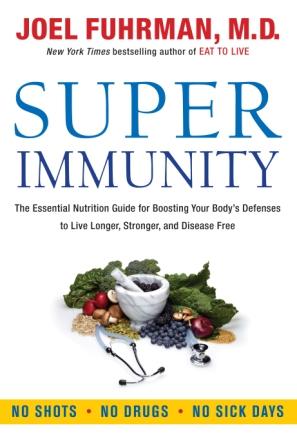
During one of my lectures in nutrition school, I learned a simple acronym from Dr. Joel Fuhrman (#1 New York Times bestselling author and board-certified family physician specializing in nutritional medicine) that has stuck with me ever since.

The acronym represents a group of the most nutrient-dense, disease-fighting, immune-boosting, health-promoting foods in the world, foods we should eat a lot of on a daily basis.

I’m going to get a little nerdy here for a second. I had never heard this information before, and it transformed the way I looked at these foods.

Angiogenesis is the formation of new blood vessels. Tumors (and fat cells) need blood vessels to grow, replicate and spread.

The foods I’m about to share with you contain compounds called angiogenesis inhibitors. These compounds are designed to prevent the formation of new blood vessels, thereby stopping or slowing the growth or spread of abnormal cells, like tumors, and protecting the body against fat storage.

Certain cancer drugs contain angiogenesis inhibitors, but these compounds also occur naturally in dozens of plants! 

The good news? You’re probably already familiar with these foods…but, chances are you aren’t eating enough of them and may not have known just how good for you they are.

Okay, you’ve waited long enough! Ready for the acronym?

G-BOMBS (Greens, Beans, Onions, Mushrooms, Berries, Seeds)

Check out my video series on YouTube about each one. This video sums up the gist of why GBOMBS are so good for us, but I also outline that info below 🙂

https://www.youtube.com/watch?v=uPRwzswfSnw

Let’s break it down.

G = Greens

IMG_2641Sources: spinach, broccoli, cabbage, kale, collard greens, arugula, Brussels sprouts, cauliflower, romaine lettuce, Swiss chard, beet greens, red and green leaf lettuce, bok choy…and many others!
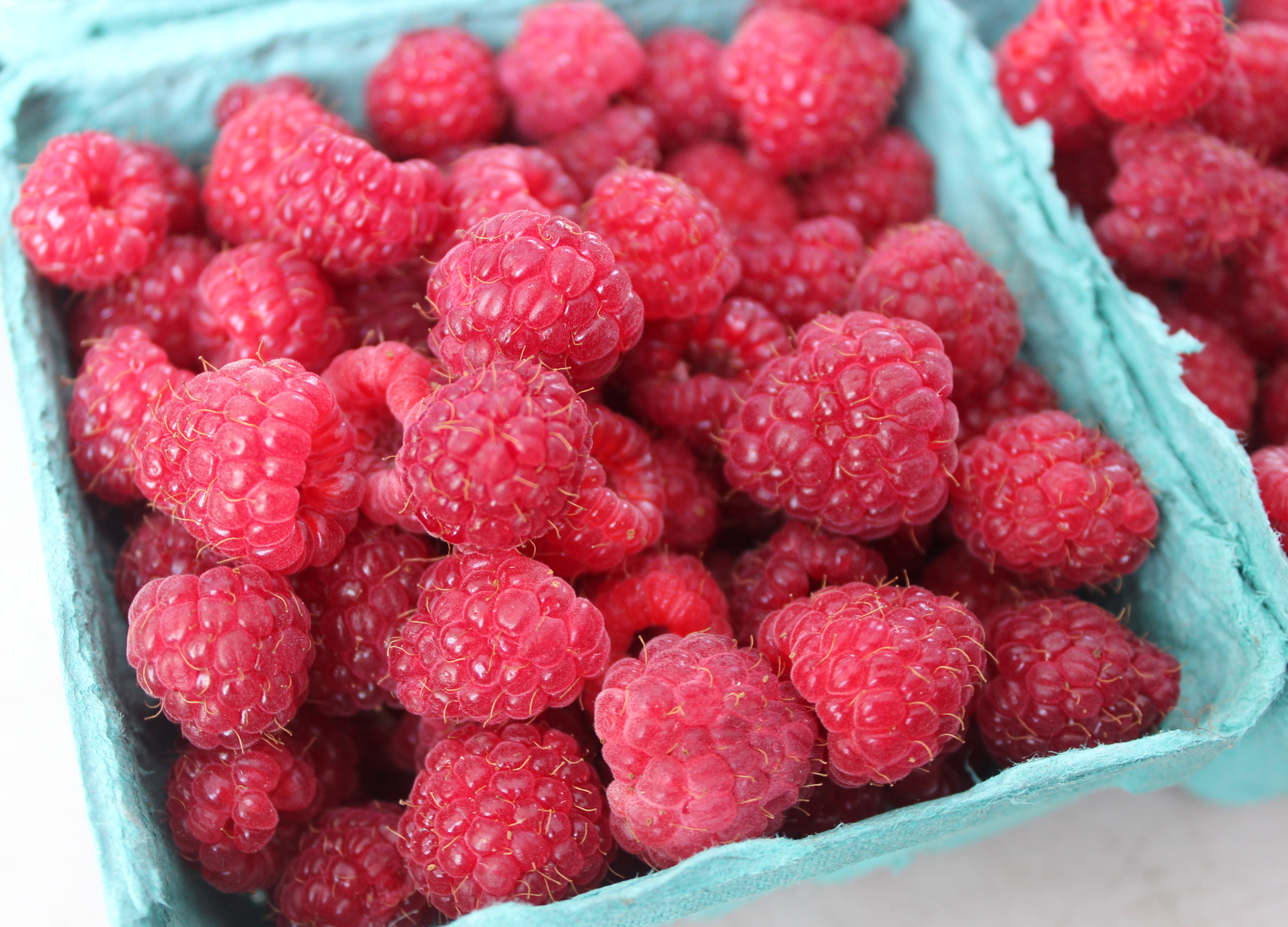
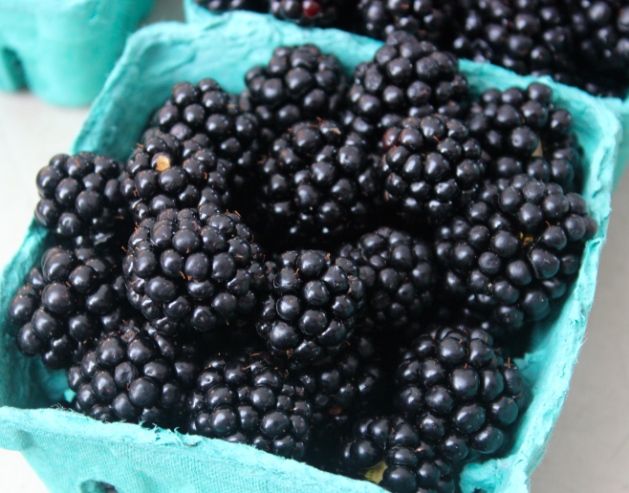
Nice to know: Chew them thoroughly (inhaling a salad won’t give you the full effect of the nutrients) to break down the cell walls of these plants in order to release their immune-boosting  and anti-cancer effects.

BONUS: Per calorie, leafy green veggies have more nutrients than any other food, and they can be consumed in virtually limitless quantities. If you remember only one thing, remember to eat more leafy greens!

B = Beans

Sources: lentils, kidney beans, black beans, adzuki (aduki) beans, pinto beans, chickpeas, black-eye peas, cannellini beans, navy beans, split peas

Nice to know: It’s super cheap to buy dried beans and cook them yourself. As a time-saving strategy, we usually buy cooked Eden brand beans because they come in BPA-free cans and are prepared with kombu, which is a seaweed that makes the beans easier to digest. Cooking beans with a thumb-size piece of kombu will reduce their not-so-pleasant gassy effects. “Beans! Beans! Good for your heart, the more you eat…” well, you know the rhyme!

O = Onions

Sources: red, yellow, and white onions, shallots, garlic, scallions, leeks

Nice to know: These give food a TON of flavor, so use them liberally (and bring a toothbrush!)! Just like with greens, the disease-fighting compounds are released when we chop, crush, or chew them, so remember to chew them well.

M = Mushrooms

IMG_2653

Sources: white, cremini, Portobello, oyster, shiitake, maitake, reishi, trumpet, chanterelle

Nice to know: Raw mushrooms should always be cooked to get rid of the mild toxins they contain. They taste great sauteed, roasted, and mixed into soups, stews and sauces.

B = Berries

IMG_2632IMG_2633

Sources: blueberries, blackberries, raspberries, strawberries, pomegranates

Nice to know: Don’t wash them until you are ready to eat them. Store a piece of paper towel in the container with them to reduce moisture and prevent spoilage. We buy a big bag of organic frozen mixed berries at BJs Wholesale Club for under $10! Berries are one of the most contaminated fruits, so it is best to buy them organic.

S = Seeds (and nuts)

Sources: sunflower seeds, chia seeds, flaxseeds, hemp seeds, pumpkin seeds, sesame seeds, macadamia nuts, pecans, Brazil nuts, walnuts, almonds

Nice to know: Buying raw nuts and seeds in bulk can save money. Store nuts and seeds in glass jars in your refrigerator or in a consistently cool, dark place. They contain delicate oils that can go bad (rancid) when left out in warm and/or variable temperatures.

The body is amazing. It’s smart. It was innately designed to resist disease and be immune to viruses and bacteria with proper nutrition.

Upgrade your nutrition by adding in one (or more!) GBOMBS at your next meal.

I’ll be posting some of my favorite GBOMBS recipes in another post later this week, so stay tuned!

Eat-to-Live-book-coverSuper Immunity_bookcoveFor more details and references to all of the studies that back up this information, check out this link on Dr. Fuhrman’s website. You could also read one of his books – Eat to Live and Super Immunity. I’ve read both and learned so much from him. These books (and the testimonials of the people in them) could literally transform your life!

Eat Your GBOMBS!…The Top 6 Immune & Health-Boosting Foods

As much as we have complicated what it means to eat healthy, some wonderful people have dedicated their lives to come up with ways to simplify it.

During one of my lectures in nutrition school, I learned a simple acronym from Dr. Joel Fuhrman (#1 New York Times bestselling author and board-certified family physician specializing in nutritional medicine) that has stuck with me ever since.

The acronym represents a group of the most nutrient-dense, disease-fighting, immune-boosting, health-promoting foods in the world, foods we should eat a lot of on a daily basis.

I’m going to get a little nerdy here for a second. I had never heard this information before, and it transformed the way I looked at these foods.

Angiogenesis is the formation of new blood vessels. Tumors (and fat cells) need blood vessels to grow, replicate and spread.

The foods I’m about to share with you contain compounds called angiogenesis inhibitors. These compounds are designed to prevent the formation of new blood vessels, thereby stopping or slowing the growth or spread of abnormal cells, like tumors, and protecting the body against fat storage.

Certain cancer drugs contain angiogenesis inhibitors, but these compounds also occur naturally in dozens of plants!

The good news? You’re probably already familiar with these foods…but, chances are you aren’t eating enough of them and may not have known just how good for you they are.

Okay, you’ve waited long enough! Ready for the acronym?

G-BOMBS (Greens, Beans, Onions, Mushrooms, Berries, Seeds)

Check out my video series on YouTube about each one. This video sums up the gist of why GBOMBS are so good for us, but I also outline that info below 🙂

https://www.youtube.com/watch?v=uPRwzswfSnw

Let’s break it down.

G = Greens

IMG_2641Sources: spinach, broccoli, cabbage, kale, collard greens, arugula, Brussels sprouts, cauliflower, romaine lettuce, Swiss chard, beet greens, red and green leaf lettuce, bok choy…and many others!

Nice to know: Chew them thoroughly (inhaling a salad won’t give you the full effect of the nutrients) to break down the cell walls of these plants in order to release their immune-boosting and anti-cancer effects.

BONUS: Per calorie, leafy green veggies have more nutrients than any other food, and they can be consumed in virtually limitless quantities. If you remember only one thing, remember to eat more leafy greens!

B = Beans

Sources: lentils, kidney beans, black beans, adzuki (aduki) beans, pinto beans, chickpeas, black-eye peas, cannellini beans, navy beans, split peas

Nice to know: It’s super cheap to buy dried beans and cook them yourself. As a time-saving strategy, we usually buy cooked Eden brand beans because they come in BPA-free cans and are prepared with kombu, which is a seaweed that makes the beans easier to digest. Cooking beans with a thumb-size piece of kombu will reduce their not-so-pleasant gassy effects. “Beans! Beans! Good for your heart, the more you eat…” well, you know the rhyme!

O = Onions

Sources: red, yellow, and white onions, shallots, garlic, scallions, leeks

Nice to know: These give food a TON of flavor, so use them liberally (and bring a toothbrush!)! Just like with greens, the disease-fighting compounds are released when we chop, crush, or chew them, so remember to chew them well.

M = Mushrooms

IMG_2653

Sources: white, cremini, Portobello, oyster, shiitake, maitake, reishi, trumpet, chanterelle

Nice to know: Raw mushrooms should always be cooked to get rid of the mild toxins they contain. They taste great sauteed, roasted, and mixed into soups, stews and sauces. If you’re particularly interested in the medicinal properties of mushrooms, you might want to take a look at this medicinal mushroom chart.

B = Berries

IMG_2632IMG_2633

Sources: blueberries, blackberries, raspberries, strawberries, pomegranates

Nice to know: Don’t wash them until you are ready to eat them. Store a piece of paper towel in the container with them to reduce moisture and prevent spoilage. We buy a big bag of organic frozen mixed berries at BJs Wholesale Club for under $10! Berries are one of the most contaminated fruits, so it is best to buy them organic.

S = Seeds (and nuts)

Sources: sunflower seeds, chia seeds, flaxseeds, hemp seeds, pumpkin seeds, sesame seeds, macadamia nuts, pecans, Brazil nuts, walnuts, almonds

Nice to know: Buying raw nuts and seeds in bulk can save money. Store nuts and seeds in glass jars in your refrigerator or in a consistently cool, dark place. They contain delicate oils that can go bad (rancid) when left out in warm and/or variable temperatures.

The body is amazing. It’s smart. It was innately designed to resist disease and be immune to viruses and bacteria with proper nutrition.

Upgrade your nutrition by adding in one (or more!) GBOMBS at your next meal.

I’ll be posting some of my favorite GBOMBS recipes in another post later this week, so stay tuned!

Eat-to-Live-book-coverSuper Immunity_bookcoveFor more details and references to all of the studies that back up this information, check out this link on Dr. Fuhrman’s website. You could also read one of his books Eat to Live and Super Immunity. I’ve read both and learned so much from him. These books (and the testimonials of the people in them) could literally transform your life!

What's Your Eggplant? Confessions of a Picky Eater

I haven’t always eaten this way.

Kale, millethemp seeds, quinoa, tahini, coconut oil, kombu, adzuki beans, cacao. 

What do all of those foods have in common? Well, I had no idea what they were for most of my life and would have refused to try any of them 10 years ago, but they have become staples in my diet.

I grew up enjoying the typical foods that many of us loved as kids – Kraft Mac & Cheese, Beefaroni, Spaghettios, Rice-a-Roni, Doritos (Cool Ranch, anyone?), Cheetos, Little Debbie cakes, Gushers, Fruit Roll-ups, Funyuns, Bugles, chicken fingers (BK > McDonald’s), hot dogs, yogurt, and, who can forget, pizza?

book it

Pizza Hut had it down – read lots of books, get free pizza. Well, I read a lot of books as a kid…so, I ate lots of pan pizza. Mmmm. The Book-It Program was my friend.

As a general rule, I avoided unfamiliar foods and was very picky.

To put it simply, I didn’t eat salads, soups, sandwiches (ok, except grilled cheese), seafood, sauces, or “weird” vegetables like eggplant, cabbage, or asparagus. Which left me with…well, the list above….and buttered egg noodles (with parmesan cheese, of course!). I did like certain cooked veggies, and I’ve always loved fruit…and plain chicken. Other than that, I didn’t exactly have a ton of variety in my diet.

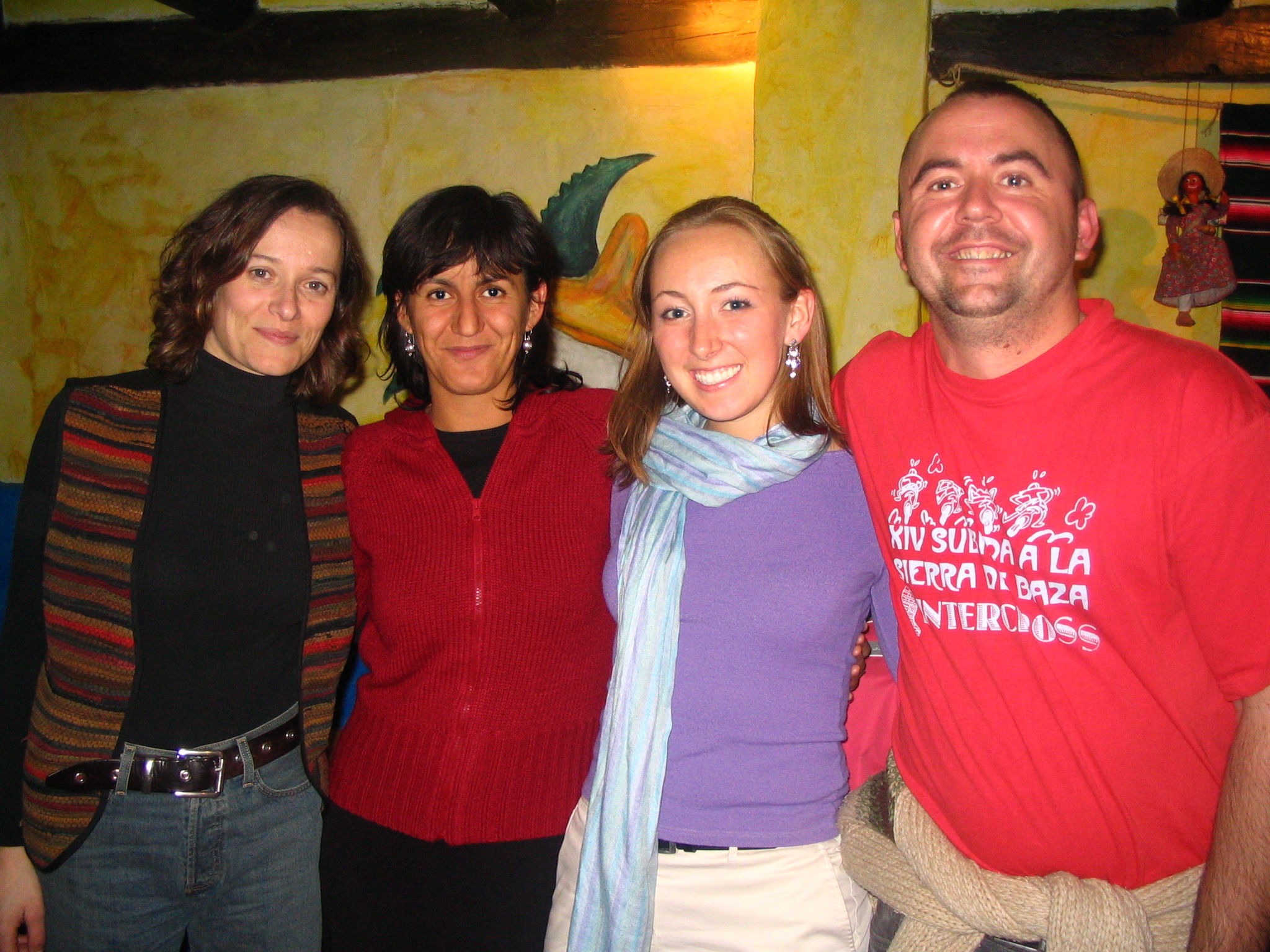
I hit a turning point in 2004, my junior year of college, when I decided to study abroad in Granada, Spain.

What gave me the most anxiety about going abroad?

Not the travel, being away from home for 4 months, or fitting in with my host family…it was the food. I was terrified of trying new food.

IMG_0674

I read a book called Spain Is Different before leaving, and one of the things the author said was it was rude to reject food, even if you didn’t think you would like it. You HAD to at least try it and then say, “It’s not my favorite.”

Oh no. Bad news for the picky eater.

One night at dinner, my host mom, Matilde, put a dish in front of me. It looked kind of like thicker fried potato or squash slices, but I knew it wasn’t. I asked her what it was, and she told me, but speaking very little Spanish, I had no idea what she said. 

I hesitantly but bravely tried it…I had never tasted the flavors before, but I LIKED it. I was excited about my revelation but still curious about what I had just consumed.

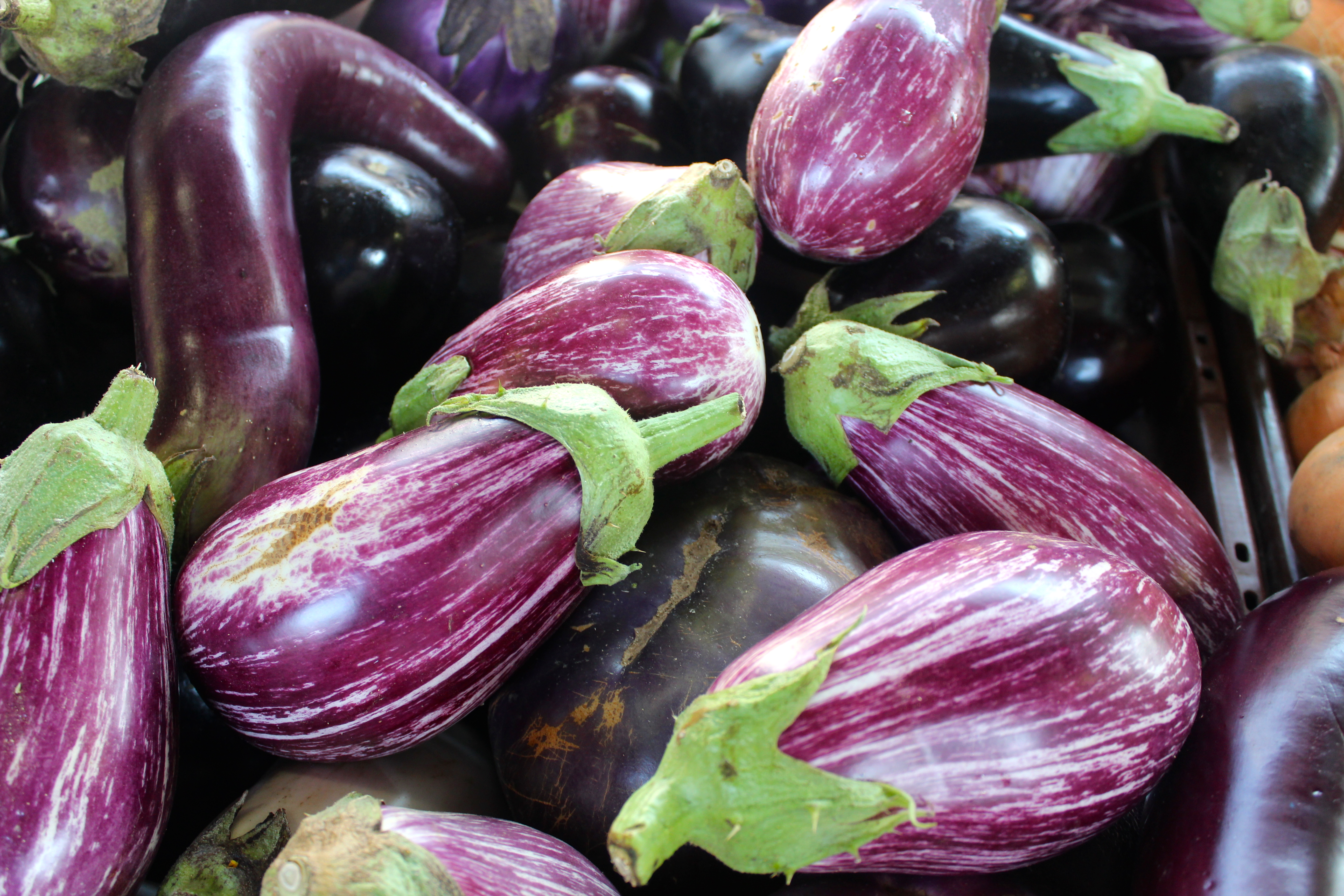
After dinner, I went to my room and consulted my Spanish dictionary to find out what I had just eaten…I looked up “berenjena.” Shock overcame me as I read the definition…eggplant. Eggplant?! But I HATED eggplant…didn’t I?

That was a turning point in my picky eating tendency.

As I opened myself up to trying new foods, I realized I had written off so many that were actually delicious. While in Spain, I was introduced to lentils, fish, calamari, and other tasty food and am now a huge fan.

I’m really into lentils right now and just made this rich, hearty and yummy lentil chili last week (SO good!). Lentils are an awesome protein, fiber, vitamin and mineral source. They fill me up more than almost any other food…AND they are super cheap!

The transition to an unprocessed, unrefined whole food way of eating takes time and happens gradually.  But we have to be willing to at least TRY new things – to open ourselves up to the possibility that we might actually like them.

IMG_2659

If I had continued believing guacamole had mayonnaise in it (seriously, I believed this until about 3 years ago…until I saw someone actually make it), then I never would have grown to LOVE it (and avocados!) as much as I do today. I had to be willing to let go of my longstanding beliefs.

So, what’s your eggplant?

The next time you go to the grocery store, commit to picking out ONE healthy food (maybe a fruit, veggie, bean, nut, seed or grain?) that you have never tried before or have been hesitant to try.

A friend just messaged me the other day and said, “I bought some kale today. What do I do with it? Lol.” Well, my friend, you’ve come to the right place! 

Feel free to post below in the comment section and let me know if you try something new. I would love to hear from you!

What’s Your Eggplant? Confessions of a Picky Eater

I haven’t always eaten this way.

Kale, millethemp seeds, quinoa, tahini, coconut oil, kombu, adzuki beans, cacao. 

What do all of those foods have in common? Well, I had no idea what they were for most of my life and would have refused to try any of them 10 years ago, but they have become staples in my diet.

I grew up enjoying the typical foods that many of us loved as kids – Kraft Mac & Cheese, Beefaroni, Spaghettios, Rice-a-Roni, Doritos (Cool Ranch, anyone?), Cheetos, Little Debbie cakes, Gushers, Fruit Roll-ups, Funyuns, Bugles, chicken fingers (BK > McDonald’s), hot dogs, yogurt, and, who can forget, pizza?

book it

Pizza Hut had it down – read lots of books, get free pizza. Well, I read a lot of books as a kid…so, I ate lots of pan pizza. Mmmm. The Book-It Program was my friend.

As a general rule, I avoided unfamiliar foods and was very picky.

To put it simply, I didn’t eat salads, soups, sandwiches (ok, except grilled cheese), seafood, sauces, or “weird” vegetables like eggplant, cabbage, or asparagus. Which left me with…well, the list above….and buttered egg noodles (with parmesan cheese, of course!). I did like certain cooked veggies, and I’ve always loved fruit…and plain chicken. Other than that, I didn’t exactly have a ton of variety in my diet.

I hit a turning point in 2004, my junior year of college, when I decided to study abroad in Granada, Spain.

What gave me the most anxiety about going abroad?

Not the travel, being away from home for 4 months, or fitting in with my host family…it was the food. I was terrified of trying new food.

IMG_0674

I read a book called Spain Is Different before leaving, and one of the things the author said was it was rude to reject food, even if you didn’t think you would like it. You HAD to at least try it and then say, “It’s not my favorite.”

Oh no. Bad news for the picky eater.

One night at dinner, my host mom, Matilde, put a dish in front of me. It looked kind of like thicker fried potato or squash slices, but I knew it wasn’t. I asked her what it was, and she told me, but speaking very little Spanish, I had no idea what she said. 

I hesitantly but bravely tried it…I had never tasted the flavors before, but I LIKED it. I was excited about my revelation but still curious about what I had just consumed.

After dinner, I went to my room and consulted my Spanish dictionary to find out what I had just eaten…I looked up “berenjena.” Shock overcame me as I read the definition…eggplant. Eggplant?! But I HATED eggplant…didn’t I?

That was a turning point in my picky eating tendency.

As I opened myself up to trying new foods, I realized I had written off so many that were actually delicious. While in Spain, I was introduced to lentils, fish, calamari, and other tasty food and am now a huge fan.

I’m really into lentils right now and just made this rich, hearty and yummy lentil chili last week (SO good!). Lentils are an awesome protein, fiber, vitamin and mineral source. They fill me up more than almost any other food…AND they are super cheap!

The transition to an unprocessed, unrefined whole food way of eating takes time and happens gradually.  But we have to be willing to at least TRY new things – to open ourselves up to the possibility that we might actually like them.

IMG_2659

If I had continued believing guacamole had mayonnaise in it (seriously, I believed this until about 3 years ago…until I saw someone actually make it), then I never would have grown to LOVE it (and avocados!) as much as I do today. I had to be willing to let go of my longstanding beliefs.

So, what’s your eggplant?

The next time you go to the grocery store, commit to picking out ONE healthy food (maybe a fruit, veggie, bean, nut, seed or grain?) that you have never tried before or have been hesitant to try.

A friend just messaged me the other day and said, “I bought some kale today. What do I do with it? Lol.” Well, my friend, you’ve come to the right place! 

Feel free to post below in the comment section and let me know if you try something new. I would love to hear from you!

Page 24 of 24

Powered by WordPress & Theme by Anders Norén