
How to Stock a Healthy Pantry: My Top 10 Everyday Essentials! {Dairy-Free, Gluten-Free}

This post has been a long time coming, so I’m super excited to finally publish it!

A few of you have asked if I could put together a list of pantry items that I always have on hand and use frequently in recipes.

I’m going to be doing this a few times over the next few weeks starting off with two rounds of Everyday Essentials as well as Baking Basics, Smoothie Staples, and Herb & Spice It Up. All of these items will be gluten-free and dairy-free because that’s how I cook, and when I eat that way, my body feels its best and my skin glows 🙂

I could just give you a simple list of 10 items, but one of my goals is to get back to WHY eating these things is so good for us, rather than just “telling” you what to buy, so for each item, I’ll share:

  1. Why I love it
  2. How I use it (including all the recipes I’ve posted using that ingredient)
  3. Where you can find it

You don’t have to go out and buy all of these things tomorrow. Maybe add one or two a week to your grocery list and work up to having most or all of them on hand.

Remember, the health journey is a marathon, not a sprint!

I would love to hear your feedback about this post, so please take a moment to comment if you find this to be helpful!

IMG_5322

Raw Apple Cider Vinegar (ACV)

Why I Love It: I dedicated an entire post to ACV, so you can head over there to learn all the details about why I love this ingredient so much. In general, it supports healthy digestion, clear skin, and knocks out just about any incoming cold. My dad calls it “the concoction” and uses this detox drink at the first sign of a sniffle.

How I Use It: I use it as a staple ingredient in this salad dressing and this one, as a “splash” to cut the bitterness of sautéed greens like kale, collards, spinach or just drink it with a straw in a detox drink. One of my college professors now swears by the ACV detox drink for her family. I had the privilege of doing lots of research with her as an undergrad and she really encouraged me to pursue my passion for nutrition.

Where to Find It: The kind you buy is VERY important. You want to buy Bragg’s Raw Apple Cider Vinegar with “The Mother.” It has all the tummy-friendly enzymes in it that we want that the heat-treated, pasteurized versions of ACV lack. Most grocery stores sell Bragg’s ACV these days (I saw it at Safeway the other day), but I find it cheapest at MOMs Organic Market. You can also find it at Whole Foods, Wegmans, any natural food store, Health Food Online from Wholesome Hub or online at Vitacost and Amazon.

IMG_0015

Tahini

Why I Love It: Tahini is basically just a fancy name for sesame seed butter. It’s one of the main ingredients in hummus and makes salad dressings creamy. It’s a rich source of key minerals and healthy fats that our body needs to maintain healthy skin and muscle tone, and it’s higher in protein than most nuts. Check out this article about the top 10 reasons to add tahini to your diet.

How I Use It: Whenever we want to make a creamy salad dressing, we use tahini. It’s one of the key ingredients in our favorite kale salad and in this beautifying detox salad. You also use it to make hummus.

Where to Find It: You can usually find it in the international aisle at your grocery store. Otherwise, check out an ethnic grocery store near you or go to Wegmans, MOMs or Whole Foods. They all carry it. It’s also available online (like everything else these days!), so check out Amazon or Vitacost. We get ours from a little Mediterranean Café in Towson called Cedar Cafe because it’s cheapest there AND tastes the best (the one in the picture above).

IMG_5291

Tamari

Why I Love It: It’s a gluten-free alternative to soy sauce, so it typically does not contain wheat. Check out another blogger’s post about the differences between soy sauce and tamari. Gluten is a sticky protein found in wheat, barley and rye that is often found in condiments, so if you’re eating gluten-free, you can still have the flavor of soy sauce by using tamari. Even if you don’t have a gluten allergy or intolerance, you may find that you have fewer issues with bloating and other digestive annoyances when you remove gluten. Check out this blog post from one of the world’s top nutrition experts about going gluten-free. To avoid soy AND gluten, you can also use Coconut Aminos instead of tamari (surprisingly, they don’t taste like coconut!).

How I Use It: Whenever you would usually use soy sauce. We use it in salad dressings (including our favorite kale salad) along with these other recipes: Beautifying Detox Salad, The Ultimate “Noocho” Cheese Sauce!, and in these walnut tacos. We also use it whenever we make stir fries, so stay tuned for a simple stir fry recipe in the next 2 weeks!

Where to Find It: In the Asian food section of the grocery store, sometimes in the international aisle. Every grocery store I’ve been to sells it. If you opt for coconut aminos instead, you can find them at any natural food/health food store, Wegmans, Whole Foods, or online at Vitacost or Amazon.

IMG_5306

Coconut Oil

Why I Love It: For years, it has gotten a bad rap because of its high saturated fat content, but coconut oil contains a different kind of fatty acid that your body is more likely to burn as energy (without spiking your blood sugar) vs. store as fat like most other oils. It also has a higher smoke point and is heat stable, so you don’t have to worry about things like “does coconut oil go bad“, as this makes it a better option for cooking (we use it instead of olive oil, which is more delicate and heat-sensitive). Not only that, but the lauric acid in coconut oil can kill bacteria, viruses and fungi, helping to prevent infections and illness. Check out this post about coconut oil’s benefits from Kimberly Snyder, one of my favorite nutritionists.

How I Use It: Coconut oil is one of the most versatile items in our pantry. Whether I’m using it to saute or roast vegetables, make a crumble topping for a fruit crisp, glazed roasted peaches, firm up seductive raw chocolate fudge, create a chocolate shell for raw cookie dough bites OR moisturize my skin or lips, coconut oil is a must-have in our kitchen (and bathroom!). Read this article from Wellness Mama about 101 uses for coconut oil.

Where to Find It: We buy ours either online at Vitacost or Amazon OR wait for the sales at Whole Foods or MOMs Organic Market. I’ve also had some great coconut oil finds at Home Goods in their pantry section. Most grocery stores sell it these days, and I’ve even seen it at BJs Wholesale Club, so check out any of the stores above or your wholesale club for the best deal on coconut oil! Look for organic, unrefined, extra virgin, cold-pressed as keywords for the highest quality coconut oil.

IMG_5324

Raw Honey

Why I Love It: Raw honey is not treated by heat (which is why it is solid vs. runny and amber-colored), so it contains lots of health-promoting, illness-preventing, beauty-boosting nutrients that the commercial bottled bear honey lacks. In addition, locally produced raw honey often contains little bits of local pollen that can actually help with your seasonal allergies!

How I Use It: From salad dressings and cupcakes to raspberry lime popsicles, chia jams, and honey mustard sauce, we use this ingredient a lot! I try to use it most often in raw (uncooked) preparations because exposing it to high heat destroys a lot of the enzymes. I just find that I like the taste of raw honey better than the bottled bear stuff, so it’s become my go-to for honey in general. Here is a link to all my recipes that use raw honey.

Where to Find It: You can find raw honey at any natural food store, Wegmans, Whole Foods, MOMs and sometimes at farmer’s markets as well as online. If you are looking at manuka honey for sale, a lot of e-stores like Steens Honey and similar others sell raw, unpasteurized honey straight from mother nature herself. It is a fact that honey is beneficial for both our skin and body, the demand for raw honey, thus, tends to be very high.This is the kind we buy (pictured above).

IMG_5289veggie broth banner

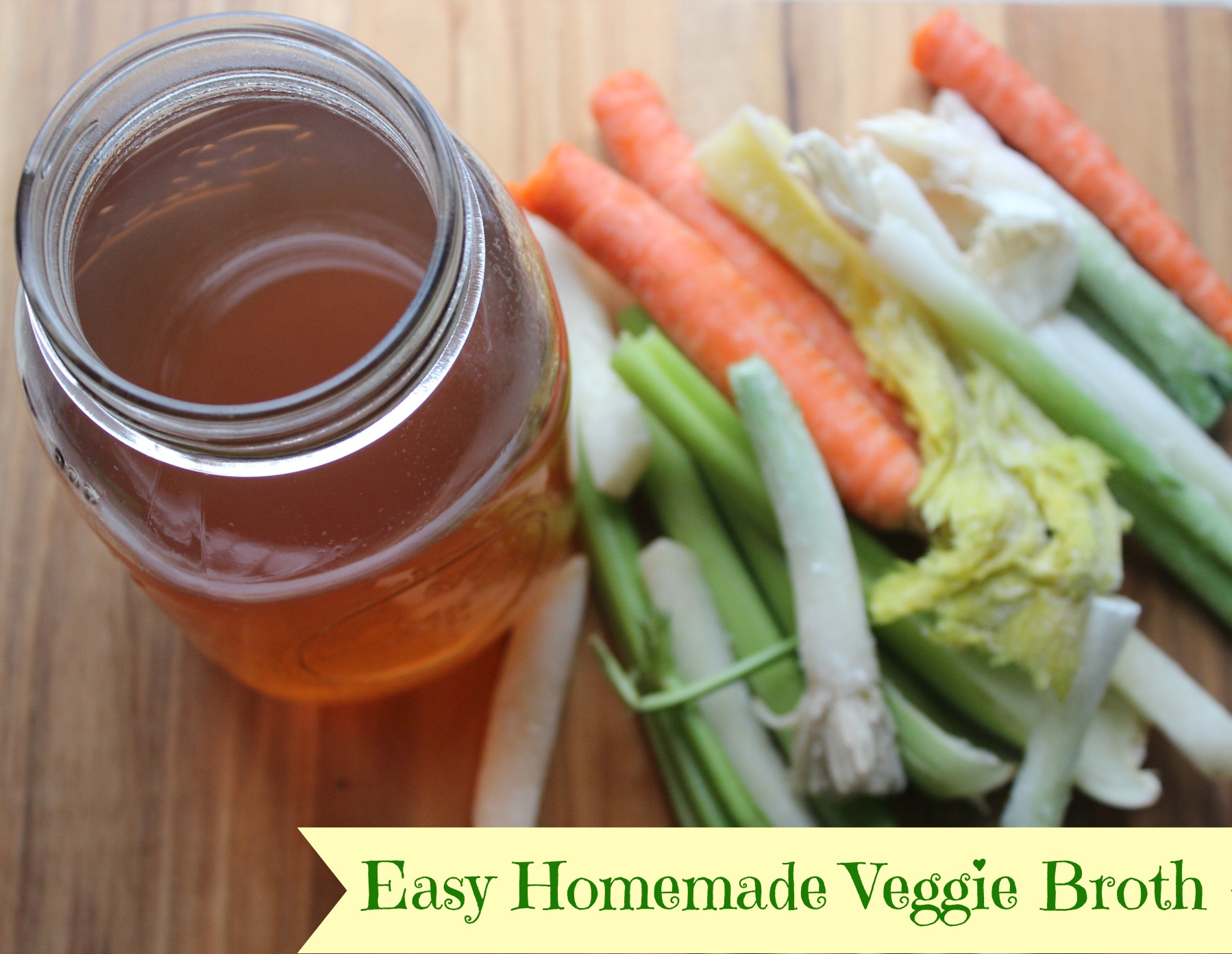
Vegetable Broth

Why I Love It: It’s a great way to add flavor to food and is something we always have on hand in the fall, since we like to make soup, especially when we have veggies to use up and nothing else to do with them. It’s versatile and flavorful.

How I Use It: I use it as the base for most soups (can’t wait to share soup recipes this fall and winter!). I also use it as an oil-free way to sauté or cook down vegetables on the stove. You can use it as an alternative to butter or oil but need to add enough to prevent your food from sticking to the pan, so add as you go. I also add a few splashes of it in with greens (kale, Swiss Chard, spinach) when I’m sautéing them on the stovetop to help them cook down.

Where to Find It: UPDATE! I’ve found that it is SO much easier and A LOT cheaper to make my own vegetable broth from vegetable scraps I would have otherwise thrown away. Check out the simple process here for how to make your own vegetable broth.

IMG_5326

Lemons/Bottled Lemon Juice (Santa Cruz)

Why I Love It: In an ideal world, I would buy 5 pounds of lemons every week and squeeze out the juice as I go, since I use it in so many recipes. But, sometimes convenience prevails, and that is definitely the case with bottled lemon juice, which is always always in our fridge.

**I used to buy the lemon juice in the green bottle AKA “Real Lemon” but it turns out there are way more ingredients in it than just lemon juice, so I stopped buying it. It’s not the same as squeezing juice from a lemon, so opt for the Santa Cruz bottled kind instead if you’re making a recipe that calls for fresh lemons (or use the whole lemon!).

How I Use It: Mixed in with slightly warm water and a pinch of cayenne to get things moving in my morning detox drink, in smoothies (it helps break down oxalates in greens like kale, which get in the way of calcium absorption), and in everything from salad dressings and frosting to creamy, dairy-free cheesecakes and homemade pesto.

Where to Find It: In the bottled juice section of specialty food stores like Wegmans, MOMs, Whole Foods, and other natural food stores. Or just buy whole lemons. Every grocery store sells those!

IMG_5321

Nutritional Yeast

Why I Love It: Aside from its pretty awful name (can we opt to change it to “Nooch”?), this stuff is great. Since removing things like cheese, milk and cream from my diet, this ingredient, which is loaded with energy-boosting B vitamins, has been a lifesaver for me when I want to give foods a cheesy taste without using cheese. I wrote an entire blog post dedicated to nutritional yeast, so check that out for the 411.

How I Use It: Sprinkle it on popcorn, use it to make the BEST paleo parmesan cheese substitute (coming from someone who used to buy parm cheese by the family-sized container), noocho cheese sauce, pesto, and one of my favorite beauty detox salads.

Where to Find It: Every health food store sells this stuff, as do Whole Foods and Wegmans. You can also find it online at Vitacost or Amazon. I bought it the first time in a jar (above) and now I just get refills from the bulk foods section at MOMs Organic Market. It’s super cheap!

IMG_5325

Beans

Why I Love It: Beans are one of Dr. Fuhrman’s GBOMBS foods, making them one of the top anti-fat, anti-cancer foods we can eat. They are full of soluble fiber that keeps us energized and full for a long time (lentils fill me up longer than any other food!). According to one of my favorite nutrition experts, they “act as an anti-diabetes and weight-loss food because they are digested slowly, having a stabilizing effect on blood sugar, which promotes satiety (fullness) and helps to prevent food cravings.”

While it’s best (and cheapest!) to cook dried beans yourself, this is another situation when convenience wins out, so we usually opt for the Eden Organics line of canned beans. We always have black beans, garbanzo beans (chickpeas), kidney beans, and pinto beans on hand. Eden’s Aduki beans tend to be more easily digested than other beans, so they’re a good one to start with if you don’t eat a lot of beans now.

How I Use It: We put beans in lots of recipes! From soups, salads, and burgers to no-bake cookie dough bites (seriously!) and burrito bowls, beans are a staple at our house. Change up your beans and try different ones each week. Here is a link to all of my bean recipes.

Where to Find It: You can buy dried beans at any grocery store. We buy the canned Eden Organics beans at Wegmans, MOMs, or Whole Foods, but Amazon now sells them in their Amazon Pantry section, so check that out if you don’t live or work near a store that sells them. If you buy another brand of canned beans, make sure the cans don’t contain the chemical BPA (should say “BPA-free” on the label).

IMG_5287

Dijon Mustard

Why I Love It: I have to start by saying I used to HATE mustard. Well, I was so picky I actually didn’t eat any condiments until college (truth be told!). Unlike other condiments that tend to be loaded with chemicals and sugar, mustard tends to have a very simple and short ingredient list, and there are lots of varieties depending on your taste. I like Dijon the best.

How I Use It: It’s a great ingredient to have on hand for making your own simple salad dressings. You can combine it with lemon juice, olive oil and whatever herbs and spices you like for a tasty, healthy dressing that beats a bottle of store-bought dressing any day! I used it in this kale waldorf salad, crunchy chicken tenders, and easy honey mustard sauce.

Where to Find It: In the condiment aisle of the grocery store. We like the Organicville brand, which you can find at Wegmans, Whole Foods, MOMs, Fresh Market or a health food store. You might also be able to find it in the organic section of your grocery store.

So, what did you think? Was this helpful? Useful? Drop me a line and let me know!

Crispy Baked "Smokra" Bites (Incredibly Simple…and Hubby-Approved!) {Paleo, Vegan, Gluten-Free}

This is probably not the first vegetable you think to grab at the grocery store or farmer’s market.

Before this week, it wasn’t at the top of my list either.

In fact, I’d never bought it or cooked with it before, so all of us are in for a learning experience this week 🙂

IMG_6269

I write for another blog (Hometown Harvest), and depending on the week, my friend Kaitlyn who works for them will send me challenges for seasonal ingredients to use.

“Can you make anything with…eggplant?”

(I was less than thrilled, considering eggplant was, at the time, my least favorite vegetable.)

“I’ll see what I can do!” I replied.

The best part of getting requests like that is having to think beyond what’s familiar to me and do something I encourage other people to do all the time…try new foods (even ones we’ve sworn we despise!).

So, on another creative culinary journey I went. It turns out that I actually don’t mind eggplant, as long as it’s prepared certain ways.

Eggplant fries = the recipe that got me to like eggplant! Check it out here.

My challenge vegetable this week?

Okra.

IMG_6307

Prior to cooking okra for the first time this week, I knew two things about it:

1) It’s my dad’s least favorite vegetable, and

2) Stone Mill Bakery uses it in their ridiculously awesome vegetable soup (which, although a bit overpriced, is worth the splurge if you’re looking for a delicious lunch in Baltimore).

I can’t say I was super pumped about this one, considering how little I knew about how to prepare okra.

So, to Pinterest I went in search of a tasty way to cook up this less than popular veg…and ways to make it not slimy, since that was a common complaint among people trying to cook with it.

I also wanted to learn more about okra’s healthy claims to fame.

When I find out just how good something is for my body, I tend to be a lot more excited to try it!

IMG_0018_2

Check out this blurb about all of the health benefits of okra from another blogger, Nourished & Grounded:

Okra is FULL of vitamins and minerals, especially vitamin C, A, K, Folate, Niacin, Thiamin, B6, magnesium, manganese, carotene, as well as lutein and zeazanthin [crucial for eye health].  It contains polysaccharides that improve blood circulation.  It contains numerous antioxidants such as epicatechin, catechin, rutin, procyanidin B1 and B2 and quercetin which help the body prevent damage from oxidative stress and environmental factors.  And what about that gooey liquid that gives it such a bad wrap?  Surprise, that’s the best part! The gel-like fiber (mucilage) soothes and coats the intestines, and a healthy gut is crucial for overall health.  This is the same stuff found in aloe vera and it’s SUPER healing.

My favorite way to make just about any other vegetable is to roast it, so that’s what I did with okra. Prep time is under 5 minutes, and these little okra bites will be ready in about 20 minutes!

Even after I tried them and approved of their crunchy texture, mild flavor, and pleasant “pop” from the edible seeds, I wasn’t 100% sure my husband would like them.

To my surprise (and satisfaction!) he did 🙂

That makes these crispy little bites wife-tested and hubby-approved.

Crispy Baked Okra Bites: 2 Ways

IMG_6272

IMG_0021

Basic Ingredients

  • 1/2 pound okra, chopped into 1/2 inch discs (about 18 pods) – cut off the top and bottom stems
  • 1-2 tablespoons coconut oil, melted
  • 1/2 teaspoon sea salt, or to taste
  • 1/4 teaspoon black pepper, or to taste

**You can use any combination of spices you like on these. They taste great with just salt and pepper if you want to keep it simple, or try one of my favorite variations below:

Garlic Version: Add 1 teaspoon garlic powder.

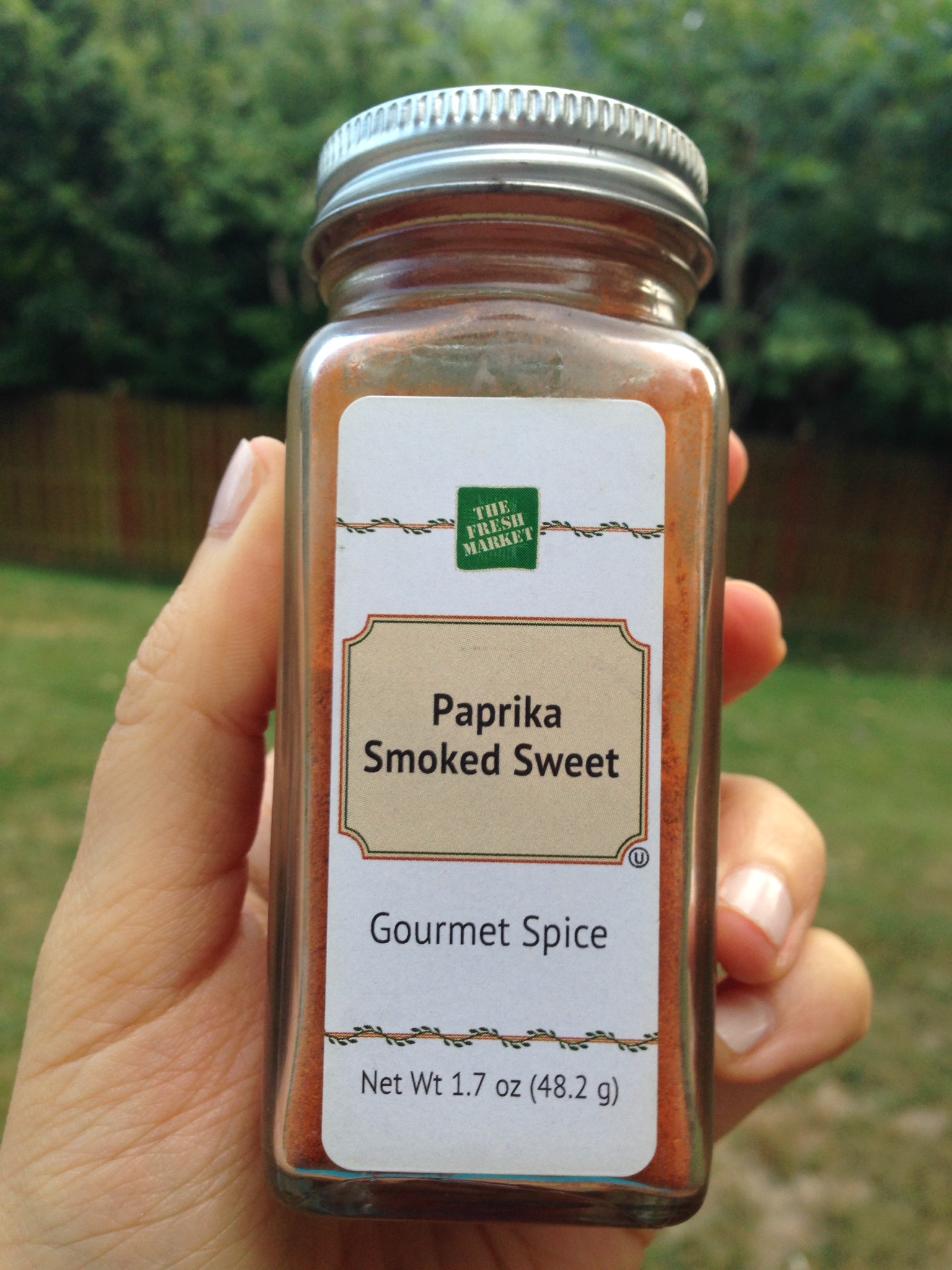
Smokra Version: Add 1 teaspoon smoked paprika (also called “smoked sweet paprika” – This spice is AWESOME on everything from roasted veggies to soups to popcorn. Add it to your grocery list!).

IMG_0016

Directions

  1. Preheat oven to 450F.
  2. Toss okra with coconut oil and spices and spread out in a single layer on a foil or parchment-lined baking sheet.
  3. Roast for 20 minutes, stirring halfway through, until the bites are browned and crispy. Cook longer to crisp them up even more!
  4. Serve immediately.

IMG_0019

Crispy Baked “Smokra” Bites (Incredibly Simple…and Hubby-Approved!) {Paleo, Vegan, Gluten-Free}

This is probably not the first vegetable you think to grab at the grocery store or farmer’s market.

Before this week, it wasn’t at the top of my list either.

In fact, I’d never bought it or cooked with it before, so all of us are in for a learning experience this week 🙂

IMG_6269

I write for another blog (Hometown Harvest), and depending on the week, my friend Kaitlyn who works for them will send me challenges for seasonal ingredients to use.

“Can you make anything with…eggplant?”

(I was less than thrilled, considering eggplant was, at the time, my least favorite vegetable.)

“I’ll see what I can do!” I replied.

The best part of getting requests like that is having to think beyond what’s familiar to me and do something I encourage other people to do all the time…try new foods (even ones we’ve sworn we despise!).

So, on another creative culinary journey I went. It turns out that I actually don’t mind eggplant, as long as it’s prepared certain ways.

Eggplant fries = the recipe that got me to like eggplant! Check it out here.

My challenge vegetable this week?

Okra.

IMG_6307

Prior to cooking okra for the first time this week, I knew two things about it:

1) It’s my dad’s least favorite vegetable, and

2) Stone Mill Bakery uses it in their ridiculously awesome vegetable soup (which, although a bit overpriced, is worth the splurge if you’re looking for a delicious lunch in Baltimore).

I can’t say I was super pumped about this one, considering how little I knew about how to prepare okra.

So, to Pinterest I went in search of a tasty way to cook up this less than popular veg…and ways to make it not slimy, since that was a common complaint among people trying to cook with it.

I also wanted to learn more about okra’s healthy claims to fame.

When I find out just how good something is for my body, I tend to be a lot more excited to try it!

IMG_0018_2

Check out this blurb about all of the health benefits of okra from another blogger, Nourished & Grounded:

Okra is FULL of vitamins and minerals, especially vitamin C, A, K, Folate, Niacin, Thiamin, B6, magnesium, manganese, carotene, as well as lutein and zeazanthin [crucial for eye health].  It contains polysaccharides that improve blood circulation.  It contains numerous antioxidants such as epicatechin, catechin, rutin, procyanidin B1 and B2 and quercetin which help the body prevent damage from oxidative stress and environmental factors.  And what about that gooey liquid that gives it such a bad wrap?  Surprise, that’s the best part! The gel-like fiber (mucilage) soothes and coats the intestines, and a healthy gut is crucial for overall health.  This is the same stuff found in aloe vera and it’s SUPER healing.

My favorite way to make just about any other vegetable is to roast it, so that’s what I did with okra. Prep time is under 5 minutes, and these little okra bites will be ready in about 20 minutes!

Even after I tried them and approved of their crunchy texture, mild flavor, and pleasant “pop” from the edible seeds, I wasn’t 100% sure my husband would like them.

To my surprise (and satisfaction!) he did 🙂

That makes these crispy little bites wife-tested and hubby-approved.

Crispy Baked Okra Bites: 2 Ways

IMG_6272

IMG_0021

Basic Ingredients

  • 1/2 pound okra, chopped into 1/2 inch discs (about 18 pods) – cut off the top and bottom stems
  • 1-2 tablespoons coconut oil, melted
  • 1/2 teaspoon sea salt, or to taste
  • 1/4 teaspoon black pepper, or to taste

**You can use any combination of spices you like on these. They taste great with just salt and pepper if you want to keep it simple, or try one of my favorite variations below:

Garlic Version: Add 1 teaspoon garlic powder.

Smokra Version: Add 1 teaspoon smoked paprika (also called “smoked sweet paprika” – This spice is AWESOME on everything from roasted veggies to soups to popcorn. Add it to your grocery list!).

IMG_0016

Directions

  1. Preheat oven to 450F.
  2. Toss okra with coconut oil and spices and spread out in a single layer on a foil or parchment-lined baking sheet.
  3. Roast for 20 minutes, stirring halfway through, until the bites are browned and crispy. Cook longer to crisp them up even more!
  4. Serve immediately.

IMG_0019

Crunchy Chicken Strips & Easy Honey Mustard Sauce (Paleo, Gluten-Free)

IMG_6324

Chicken tenders were ALWAYS my go-to food growing up. Just about every restaurant sold some variation of them, and it was pretty hard to mess them up.

In college, the best day in the cafeteria was chicken tender day when the dining staff served us 3 large crispy, breaded chicken fingers for lunch. Dipping them in a bowl of sweet, ooey gooey honey was just what I needed to round out the crunchy, saltiness of the tenders.

Pure food bliss.

I was talking to a blog follower the other day (Barb), and she asked for more dinner ideas.

That comment (along with my lifelong love of chicken tenders) motivated me to share this recipe for my favorite homemade version – one that happens to sneak in some honey AND turn out buttery, crunchy, salty and satisfying

Oh, and healthy, of course 🙂

I LOVE the simplicity of this recipe...and how incredible it tastes.

It’s an easy go-to dinner option with fewer than 5 ingredients. If you have kids, involve them in the 2-step “breading” process. They’ll have fun with it.

Serve these chicken strips with a salad or veggie side dish. We’ve enjoyed them alongside some cauliflower mashed potatoes or roasted vegetables. YUM!

Crunchy Chicken Strips & Easy Honey Mustard Sauce

IMG_2706

Chicken Tenders

  • 1 package chicken breast strips OR skinless chicken breasts, cut into strips and patted dry with a paper towel
  • 1/2 cup Dijon mustard
  • 3 tablespoons honey (I use raw honey, but any honey will work in this recipe)
  • 1.5 cup pecans (Don’t have pecans? Try these with chopped walnuts or almonds instead…but I have to admit – using pecans is my favorite way to make this dish.)
  • Sea salt, to taste

Honey Mustard Dipping Sauce (basically 2 parts mustard to 1 part honey. Adjust the amount based on how much you want!)

  • 1/4 cup Dijon mustard
  • 2 tablespoons honey (I used raw honey but any will work)
Honey mustard dipping sauce! Nomnomnom

Honey mustard dipping sauce! Nomnomnom

Directions

  1. Preheat oven to 350 degrees F.
  2. Whisk together the honey and mustard in a medium-sized bowl.
  3. Toss the pecans in a food processor and pulse until the nuts are finely chopped. Pour the chopped pecans onto a plate.
  4. Use a paper towel to pat the chicken breasts dry. Taking one chicken breast at a time, place the chicken into the honey mustard mixture and coat on both sides. Roll chicken in chopped pecans.
  5. Place coated chicken into a greased (or foil-lined or parchment-paper lined) glass baking dish. Sprinkle each chicken breast with sea salt.
  6. Bake for 25-35 minutes or until a meat thermometer inserted into the thickest part reads 165 degrees F. (It is SO worth it to buy a meat thermometer, by the way. They’re cheap and take the guesswork out of cooking meat and seafood.).
  7. While the chicken is cooking, stir the honey and mustard together in a dish for the dipping sauce.

Start dipping and eating. It’ll be hard to stop! 🙂

Peaches ‘n Cream Smoothie (Orange Julius Style!)

The peaches this summer have been the sweetest and juiciest I’ve had in a long time!

Whether they’re donut peaches or ordinary yellow peaches, they have been super satisfying.

IMG_6147

Aside from eating them plain, I’ve been putting them in a lot recipes like this peachy keen kale salad and this farmer’s market salad.

I even glazed them with honey, baked them in the oven for the first time and ended up with a super healthy, melt-in-your-mouth dessert.

Even though I don’t eat dairy products, I really enjoy and am always looking for recipes for rich and creamy foods and drinks that remind me of the “mouthfeel” of ice cream, cheese, and milk, but are made without those ingredients.

Making dairy-free smoothies and milkshakes are one of the ways I like to do that.

Check out these cool "donut" peaches :)

Check out these cool “donut” peaches 🙂

When my sister tried this smoothie, she said it tasted like one of the smoothies from Orange Julius…but better!

This dairy-free, vegan recipe is quick and simple and doesn’t require any fancy ingredients. Blending the cashews with the liquid at the very beginning is what gives the smoothie its creamy texture without any milk, cream or yogurt!

I use raw cashews in lots of other recipes to make dips and even cheesecakes creamy.

You have to try this one for yourself – you will be amazed!

Peaches ‘n Cream Smoothie (Orange Julius Style)

IMG_6074

Serves 2

Ingredients

  • ¼ cup raw cashews* (these are cheapest at Trader Joe’s!)
  • 2 teaspoons vanilla extract
  • 2 cups water (you can use almond milk if you prefer an even creamier texture – I used 1 cup each of water and almond milk)
  • 3 cups peaches (sliced and frozen – or use fresh peaches for a “frothier” smoothie)
  • 1 cup ice
  • Optional (but tasteless!): 2 cups spinach

Click here for the full recipe from Girl Makes Food.

IMG_6102

Stuffed Rainbow Peppers {Vegan, Gluten-Free}

IMG_6214

Stuffed peppers are one of our go-to recipes to make when we have a lot of veggies to use up and want something delicious for dinner.

You can use any veggies you want and any grain that you like to stuff these peppers, so the possibilities are endless!

We opted for a few basics (carrots, onions, celery & garlic), fiber-filled and gluten-free brown rice and chickpeas, and some chunky tomato sauce to bring it all together.

This is a meal you will make again and again. It’s filling, delicious, comforting, and is a great alternative to meat as a meal. Try it for a Meatless Monday (or Tuesday!) meal. Believe it or not, something like this will often be cheaper than giving everyone at the table a full portion of meat!

I’m not a vegetarian but over the past few years have used meat more as the side dish and the veggies more as the star of the show. I eat high-quality (local, humanely raised, grass-fed/pasture-raised) animal-based foods (eggs, chicken, meat, seafood) a couple of times a week.

On the other days, I get my protein from vegetables, beans and lentils, grains like quinoa, and nuts and seeds. Despite what many of us have been led to believe, meat is not the only quality source of protein, so change up your proteins and try something new!

Veggie-Stuffed Rainbow Peppers

IMG_6220

Ingredients

  • 1/4-1/2 cup vegetable broth
  • 2-3 cups water (enough to fill the bottom of the pot you’re using for steaming – see instructions below)
  • 4 bell peppers, top cut off & seeds removed
  • 1 cup cooked brown rice (we use the steamable bags in the frozen aisle of the grocery store for convenience)
  • 1 medium onion, diced
  • 3 medium carrots, chopped
  • 1 cup celery, chopped
  • 3 cloves garlic, minced
  • 1 15-ounce can diced tomatoes, no salt added
  • 1 15-ounce can chickpeas/garbanzo beans, drained and rinsed (We use the Eden Organics brand)
  • 1 teaspoon chili powder
  • 1/4 teaspoon garlic powder
  • 1/2 teaspoon cinnamon
  • 1/4-1/2 teaspoon sea salt

Directions

  1. Preheat the oven to 350F and line a baking pan with aluminum foil.
  2. Fill a pot with enough water to steam the peppers and put the seeded peppers on top of a steamer basket. Bring the water to a boil, cover the pot with a lid and steam the peppers for 10 minutes. You want them to still be a bit firm so they stand up on their own. Steaming helps to partially cook them and make them easier to fill with the stuffing. IMG_6207
  3. Place peppers in the foil-lined baking dish. Do not leave them in the covered pot after steaming or they will overcook.
  4. While the peppers are steaming, saute the onions, garlic, carrots and celery in a few tablespoons of vegetable broth, adding more broth to prevent the onions from sticking.
  5. After about 10 minutes, add the diced tomatoes (with their juices!), brown rice, chickpeas, chili powder, garlic powder, cinnamon, and salt, stirring until everything is combined.IMG_5173
  6. Fill each pepper with the rice mixture, reserving about 1/2 cup of the mixture to top off the peppers. Roast peppers in the oven for 20 minutes. We roasted ours in the toaster oven.
  7. Remove from oven and top with 1-2 spoons of the extra rice mixture. Serve and enjoy!IMG_6209

We like to top ours with a few shakes of paleo parmesan cheeze!

Melt-In-Your-Mouth Honey-Glazed Peaches (Only 4 Ingredients!)

I love simple recipes.

And peaches.

IMG_0004

Satisfyingly sweet and dripping with juicy goodness, peaches are nature’s candy.

They’re delicious on their own but even better in recipes.

Today’s recipe for roasted, honey-glazed peaches is so easy, you’re going to want to try it this week!

IMG_5182

Roasting food in the oven creates depth of flavor and helps all of the ingredients meld together to create mouthwatering dishes.

This is especially true of vegetables…and even fruit! Ever had baked apples or pears or a fruit crisp or crumble? If you answered, “yes,” then you know what I mean!

I recently baked an ooey gooey triple berry peach crumble and was inspired to try something super simple by just using peaches as the main ingredient.

I didn’t know what to expect but was very pleased by the result! When my parents were over for dinner the other night, I served this for dessert, and they raved about it!

I made a raspberry chia jam (also simple & only 4 ingredients) earlier this week, and you could put a nice dollop of that on top, but I opted for coconut milk whipped cream (3 ingredients!) 🙂

Honey-Glazed Baked Peaches

IMG_6237

Ingredients for 4 servings

  • 2 ripe peaches, cut in half, pit removed
  • 2 teaspoons coconut oil, melted OR 2 teaspoons grass-fed butter, melted (Kerry Gold brand is sold in almost every major grocery store and is grass-fed)
  • 1.5 tablespoons honey (or other sweetener, such as coconut sugar, 100% pure maple syrup, or raw honey)
  • Sprinkle of ground cinnamon, to taste

Directions

  1. Preheat the oven to 375 degrees.
  2. Stir the coconut oil and honey together in a small bowl.
  3. Place the peaches cut-side up in a baking dish lined with parchment paper (to prevent sticking!). Fill each peach cavity with the mixture and sprinkle cinnamon on top.
  4. Bake 20 to 25 minutes, until the flesh has softened and the tops are browned. Check halfway through cooking and baste the top of the peach halves with the melted mixture in the middle, so it seeps in.
  5. Serve warm, with the toppings of your choice. I used coconut milk whipped cream (click for the recipe). SO good!
Click the link above for how to make coconut milk whipped cream!

Click the link above for how to make coconut milk whipped cream!

2 FREE Guides & Recipes for Eating Healthy on a Budget (Kid-Friendly, Too!)

“Healthy eating is SO expensive. I can’t afford it!”

What if it wasn’t?

What if you could?

My mission is to transform the way you think about food.

One of the ways I like to do that is by sharing tips for how healthy eating can be not only delicious but also accessible and affordable – not just something only people who are well off can afford to do. By finding ways to save money here and there, from such things as Sunrise Cash Cow deals, and following money experts, more people should be able to afford nicer food to give to their children. Obviously, being a parent and a homeowner can be expensive, however, there are always methods of saving money. For example, some of us have probably never considered switching energy suppliers before. This is something that people always recommend to do, especially when energy bills start to increase. Perhaps more homeowners should consider trying to save some money on their energy bills, they can learn more here. That should allow them to put more money into their cooking.

One thing I’ve learned along my health journey is that cooking at home is the best way to save money and enjoy good, wholesome food. And I’ve learned, if you use your blue cash everyday card at the grocery store, you can earn rewards! These rewards can then be redeemed for almost anything you like, so it’s basically giving you some money back! It seems like a win-win situation to me. If you’re grocery shopping online, you can also check over here to see if there are any savings to be had with places you shop at, such as Sam’s place.

Over the past year, I’ve come across two FREE resources that I’ve shared at several nutrition workshops. Use them for yourself and your family (and share them with your friends!) to make it easier than ever to eat fresh, whole, unprocessed food and prepare simple meals that are affordable and tasty.

Even if you’re not on a tight food budget, we can all benefit from saving money on our grocery bill, so we can use that money to do other things we enjoy!

1) Environmental Working Group’s “Good Food on a Tight Budget”

This agency has done some amazing things to promote and advocate for the health and quality of our food.

They came out with the Dirty Dozen app that I promoted in another post about eating healthy (and organic) without going broke. It’s a fantastic FREE app, and I recommend downloading it!

Not an app person? Check out the Dirty Dozen list on the EWG’s website instead.

I’ve included links to all of the Good Food on a Tight Budget resources below, but in the meantime, check out this video that explains how you can use the guide to shop for healthier food for you and your family!

Here are links to their top tools and resources:

  1. Good Food on a Tight Budget Recipes – What I love about this guide is that it offers not just recipes but also templates for you to build your own recipes and get creative. Just pick a couple things from each column, so you always have options for changing up your meals to prevent boredom!
  2. Top Tips for Better Food, Lower Cost – Before you shop, while you’re at the store, or once you’re back home, check out these tips for guidance on how to make the most of your fresh food and food dollars.
  3. Food List for Best Food Finds at the Lowest CostFrom fruits and veggies to grains, meat, and spices, use this food list to help you find which choices in each food group are most affordable and healthiest.

2) Eat Well on $4/Day: Good & Cheap

photo-main

Leanne Brown was a grad student in the Food Studies program at NYU when she launched an innovative and ambitious Kickstarter campaign.

Her goal?

Design recipes that fit the budgets of people living on very limited incomes (on SNAP, specifically).

The outcome?

Over 5,000 backers, nearly $150,000 in funding AND a pretty slick, FREE guide that shows you how to eat well on $4/day and includes dozens of recipes.

In the intro of the book, Leanne writes:

“My intent was to create satisfying food that doesn’t require you to supplement your meals with cheap carbohydrates to stave off hunger. I strove to create recipes that use money carefully, without being purely slavish to the bottom line […] More than a book of recipes, this is a book of ideas. I want you to tailor things to your taste. Improvisation is the soul of great cooking!”

I couldn’t agree more! If you have dietary restrictions, some recipes won’t work for you as-is, but you can try to adapt them to your needs, which is something I plan to do to accommodate my dairy-free, gluten-free cooking.

Click here to download the FREE Good & Cheap PDF!

Farmer's Market Salad with Better-Than-Kraft Raspberry Vinaigrette

Water, Sugar, Vegetable Oil (Soybean Oil, Canola Oil, Extra Virgin Olive Oil), Red Wine Vinegar, Vinegar, Contains Less Than 2% of Salt, Red Raspberry Juice Concentrate, Xanthan Gum, Citric Acid, Dried Onions, Spice, Poppy Seeds, Natural Flavor, Oleoresin Paprika, Potassium Sorbate And Calcium Disodium Edta (to Protect Freshness). Contains: Poppy Seed.

Those are the ingredients in a bottle of Kraft’s Lite Raspberry Vinaigrette.

Tasty, huh?

Most salad dressings we buy in the store contain lots of preservatives and chemicals, and as you can see above, very little (less than 2% each!) of real, whole food ingredients we’d expect to see in a salad dressing.

What’s most shocking?

Kraft’s raspberry vinaigrette doesn’t even contain raspberries!

Now there’s a head scratcher.

Homemade salad dressings are one of the easiest upgrades you can make to your diet. They take very little time to make and, in most cases, require either a whisk or a blender to mix everything together.

IMG_6178

That’s why I wanted to try a recipe for a homemade raspberry vinaigrette that tastes 100 times better than the bottled stuff…and actually contains raspberries! 🙂

I served it on top of a summer salad, whose recipe is below, but feel free to put it on any salad you like.

The dressing is inspired by this recipe, but I made several tweaks.

Farmer’s Market Salad with Raspberry Vinaigrette

IMG_6191

Dressing

  • 1/4 cup water
  • 1/4 cup raw apple cider vinegar (Bragg’s is the brand we use! Make sure it contains “The Mother”)
  • 3/4 teaspoon sea salt
  • 2 tablespoons honey (I used raw honey)
  • 1 teaspoon dried basil
  • 2/3 cup raspberries, fresh or frozen, thawed
  • 2/3 cup extra virgin olive oil

Salad (All veggies are ideally organic! Check out this post for how to save money on organic food.)

  • 1 head of lettuce of your choice or 6-8 cups of salad greens
  • 2 peaches, thinly sliced
  • 2 avocados, pitted, peeled and thinly sliced
  • 1 pint cherry tomatoes, cut in half lengthwise
  • 1/3 cup sliced almond, toasted
  • Optional: 1/4 cup fresh basil, thinly sliced into thin ribbons

Directions

  1. Combine all dressing ingredients in a blender for 30-60 seconds and liquify. If you have a Vitamix, follow these directions.
  2. Assemble salad and toss ingredients together, leaving almonds aside.
  3. Drizzle dressing on salad and sprinkle almonds on top. Toss to combine.
  4. Optional: Top salad with chicken or fish, or serve with a side of soup!

Easy Raspberry Chia Jam (+ Our Trip to an Organic Berry Farm!)

The weather has been absolutely gorgeous lately and unseasonably mild for a Maryland August.

Bill and I were home for the first weekend in over a month, so we decided to take advantage of the beautiful day and took a scenic drive out to Hybridoma Organic Fruit Farm in Baldwin, Maryland to pick raspberries and blackberries.

Anna, a friend of mine from church, who is also into food and healthy living and has helped me with some photography, told me about the farm and how much we would love it. She and some other moms had gone to the farm several times with their kids to pick berries.

IMG_4953

When we arrived at the farm, we were greeted by Kiki, a young girl who was offering samples of her homemade granola made with products grown on the farm. I love seeing children having an appreciation for food and where it comes from at such a young age!

After sampling the blueberry granola (which was delicious), we were welcomed by Robert Hamilton, one of the farm’s owners who runs the farm as a hobby outside of his full-time job as the Director of Dermatology, Allergy and Clinical Immunology at Johns Hopkins Bayview.

His kind, humble and unpretentious demeanor wouldn’t have led us to realize we were talking to someone as accomplished as he is. I plan to interview him in the coming weeks to learn more about how he ended up owning and running such a remarkable business in the midst of the pressure to leave small organic farming in the dust in favor of more large scale, industrial, conventional farming.

I’ve watched two documentaries recently (King Corn and Fresh) and am in the middle of reading Michael’s Pollan’s The Omnivore’s Dilemma, and both the movies and book have given me a heightened appreciation for what goes into organic farming. More on that later!

Back to the berries 🙂

As I’ve written before, I love raspberries. They’ve been my favorite fruit since I was a kid, and I try to take advantage of them for the short time they’re in season locally. (Check out this recipe for tart & tangy raspberry lime popsicles posted earlier this summer!).

Throwback! Had to recreate one of my favorite pictures from my childhood holding none other than a cup of...raspberries!

Throwback! Had to recreate one of my favorite pictures from my childhood holding none other than a cup of…raspberries!

Bill and I spent about 2 hours filling our green buckets with almost 5 pounds of organic raspberries and blackberries, dodging buzzing bees and beetles along the way, sure signs that there were no synthetic pesticides/insecticides/herbicides or other harmful chemicals coating the plants.

It was such a peaceful calming morning, where the only thing you’re thinking about is which leaf to lift to find the biggest, ripest, juiciest berries.

There’s something special about seeing where your food comes from, knowing that it was grown safely, picking it yourself, and then (of course!) eating it.

When I returned home with over 3 pounds of raspberries and nearly 2 pounds of blackberries, I had to start thinking about what to make.

My loot! 5 pounds of berries!

My loot! 5 pounds of berries!

I was busy in the kitchen as a result of all of the berry picking! Coming later this week are recipes for a blackberry blast smoothie and a better-than-store-bought raspberry vinaigrette.

For starters, I opted to try a variation of a jam I made earlier this year that used rhubarb and used raspberries instead (and tweaked it a bit!).

You can use this raspberry jam however you would use regular bottled jam. Stir it into oatmeal, add it to a smoothie, drizzle on top of 2-minute banana ice cream, or smear it on top of a muffin! 🙂

The possibilities are endless!

It is ridiculously simple to make and is sweet, tart and tangy…just like a raspberry jam should be!

Homemade Raspberry Chia Jam

IMG_6152

IMG_6158

Ingredients

  • 1 cup fresh (or frozen) raspberries
  • 1 tablespoon raw honey (more if you prefer a sweeter jam)
  • Juice from 1/2 lemon
  • 2 tablespoons chia seeds (I buy mine at Trader Joe’s or Home Goods for the lowest price, or you can get them online. By the way, the original recipe calls for white chia seeds, but black chia seeds are fine!)

Click here for the full recipe from A House in the Hills.

Page 29 of 38

Powered by WordPress & Theme by Anders Norén